Scribbr flagged my 637-word essay as likely AI-generated even though I wrote it myself. I pasted the draft directly into the detector before submitting it for class. How can I check whether this result reflects something specific in my writing or is simply a false positive?
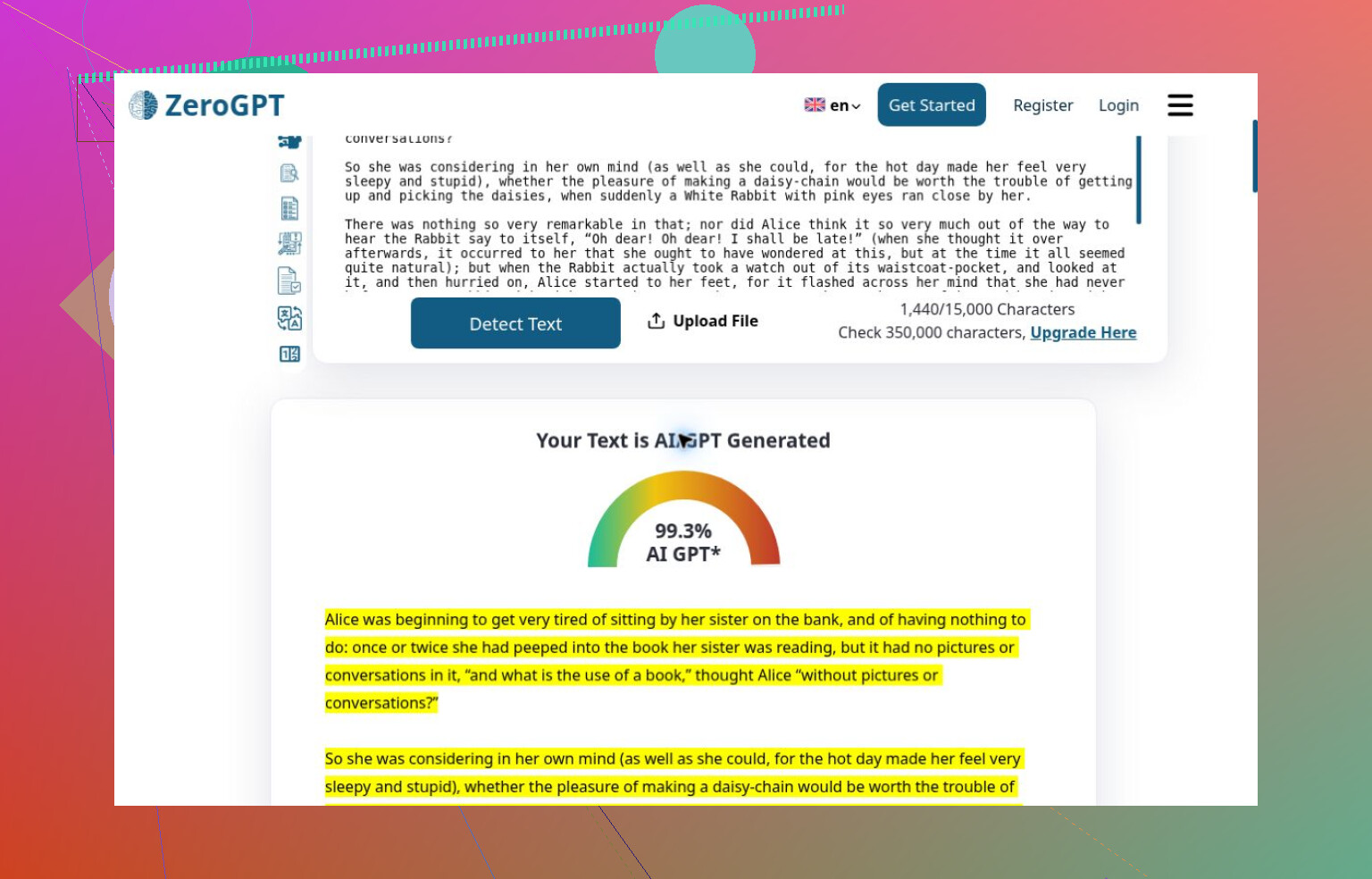
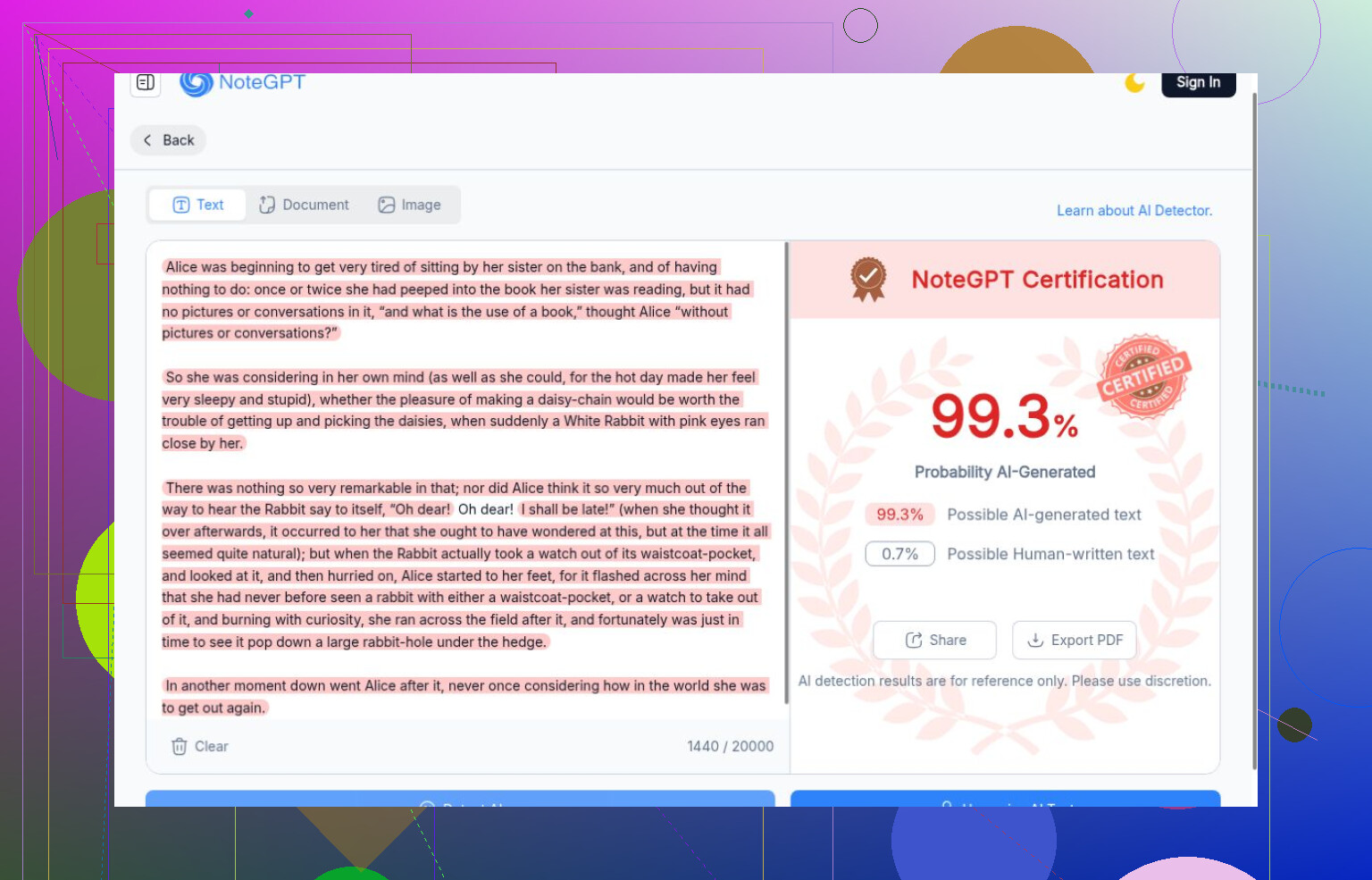
99.3% AI was the verdict on my Lewis Carroll excerpt, not on a generated passage. Both ZeroGPT and NoteGPT produced that number. I kept it in my notes because a detector catching generated writing tells me less if it also confidently catches Carroll. The control sample is supposed to be inconvenient.
I used six unchanged English passages across the checks: four generated texts, the Carroll excerpt, and a lightly AI-edited version of that excerpt. The generated material covered an essay, a business memo, a paraphrase, and a fictional personal story. Some samples were related, so I wouldn’t treat this as a broad accuracy study.
My procedure was to separate completed verdicts from blocked attempts, then distinguish fully checked text from partial checks. I also kept the edited excerpt separate from the human control. AI involvement makes that a different test, not another opportunity to count a false positive.
What actually qualified as a result
The failures weren’t all alike. ZeroGPT caught the generated set but scored Carroll above every generated passage. NoteGPT likewise assigned its strongest AI score to Carroll. Matching numbers alone don’t establish shared technology.
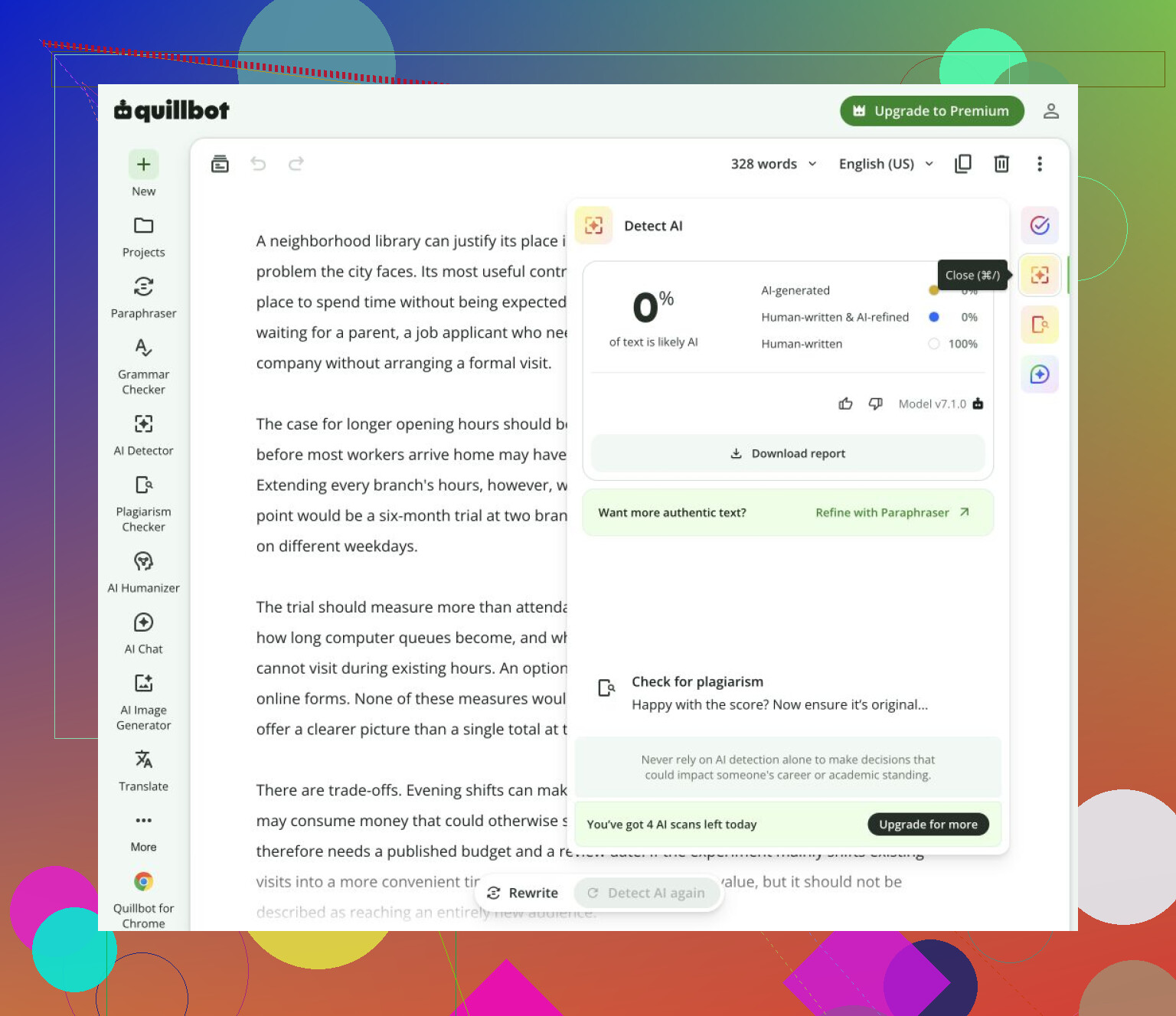
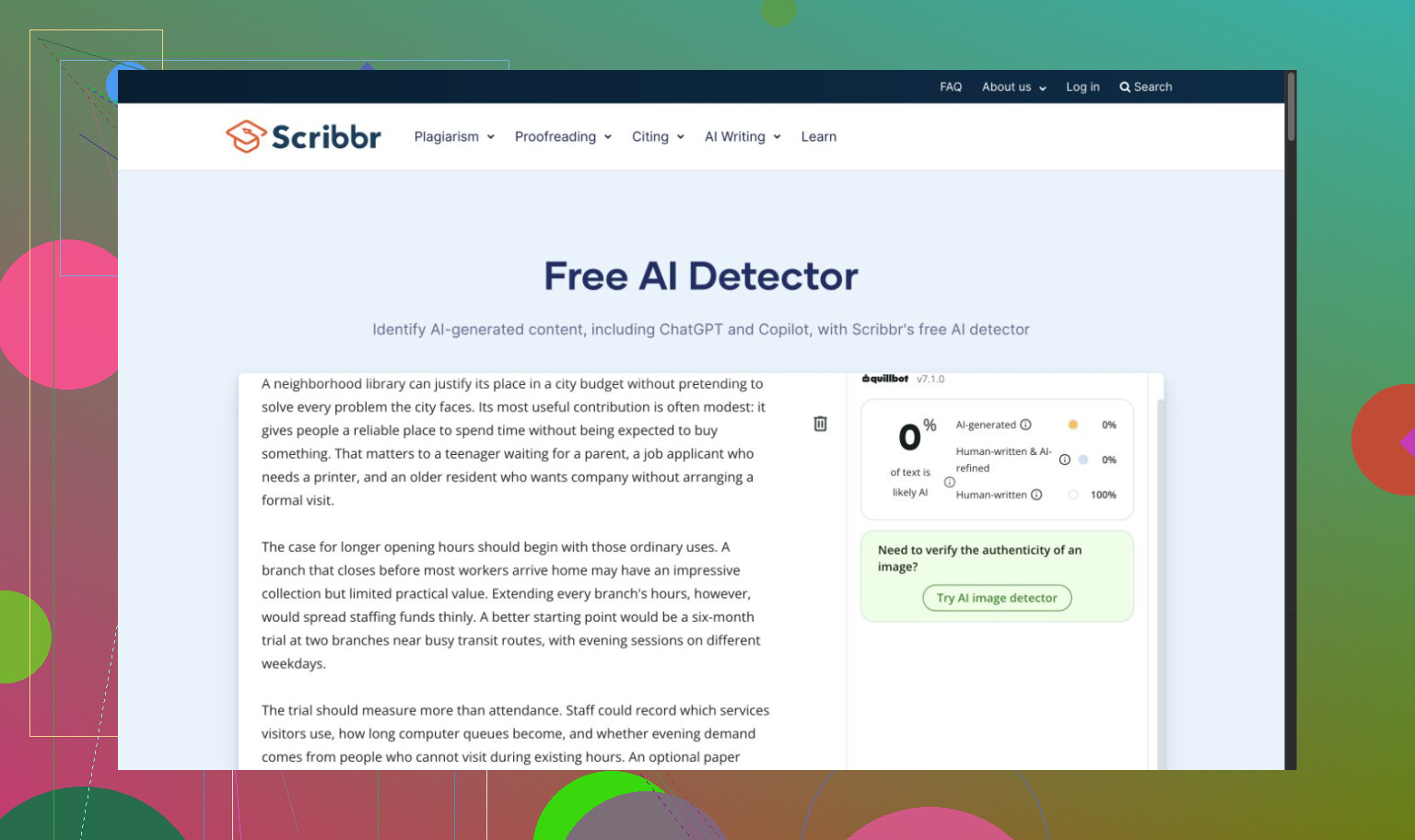
QuillBot went the other direction: every generated passage received a 100% human-written verdict. It accepted Carroll correctly, then guest access stopped before the mixed sample. Scribbr also accepted the generated essay and Carroll as human; its visible QuillBot branding kept me from treating those sites as automatically independent votes.
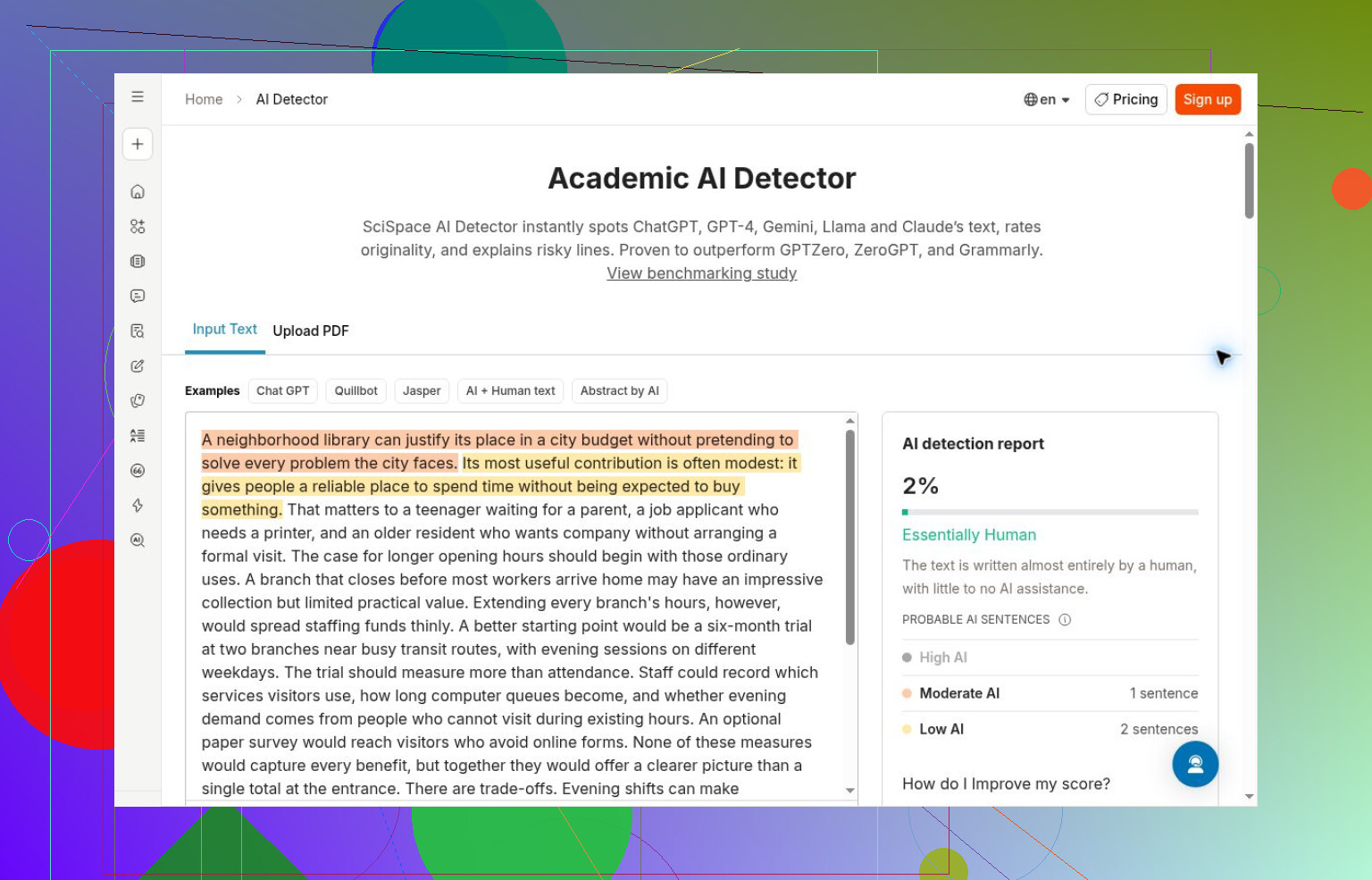
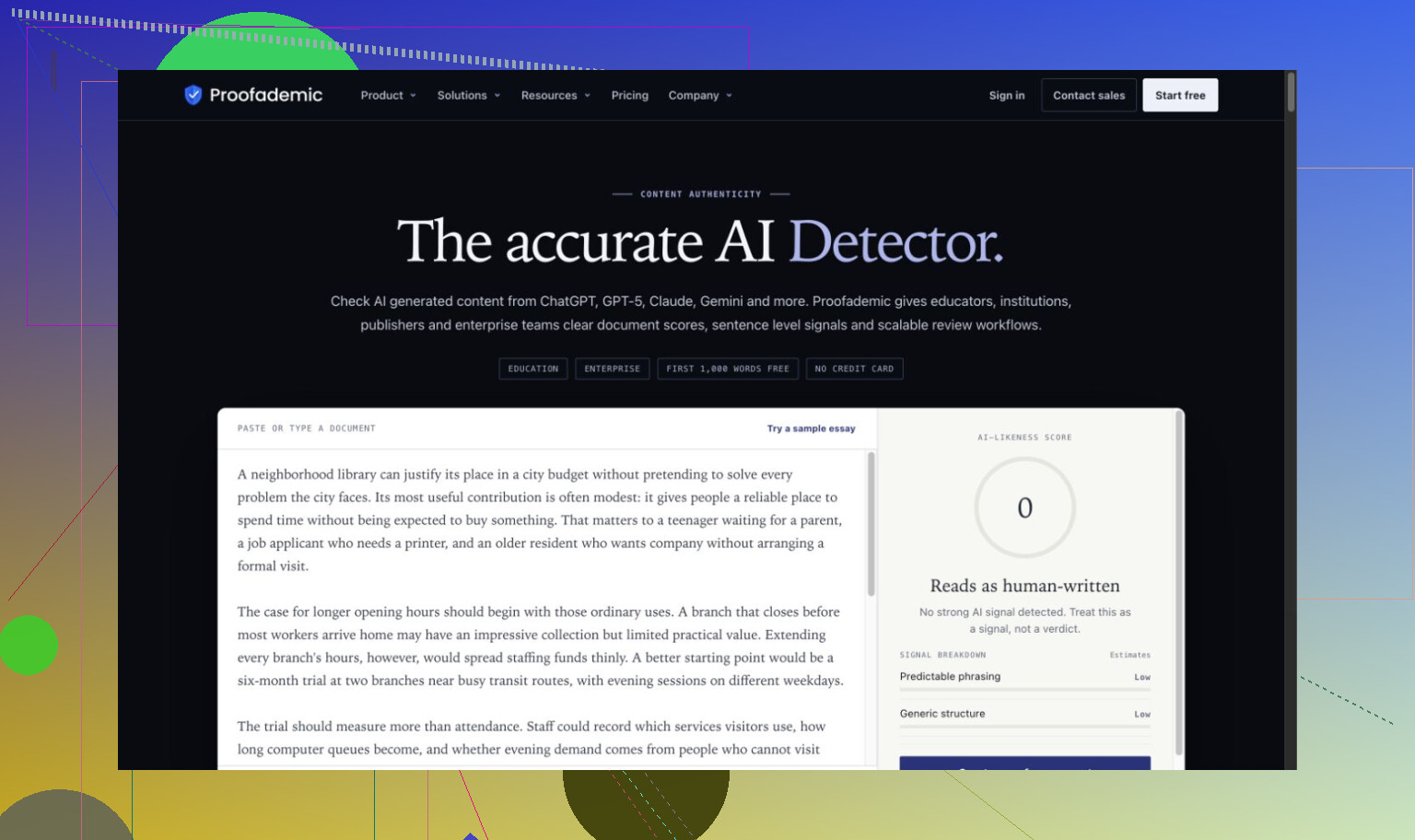
SciSpace missed the essay, with signup blocking a human check. Proofademic’s public demo accepted both essay and Carroll; authenticated reports stayed untested. Surfer accepted the essay, story, and Carroll as human. Clear explanations didn’t repair those misses.
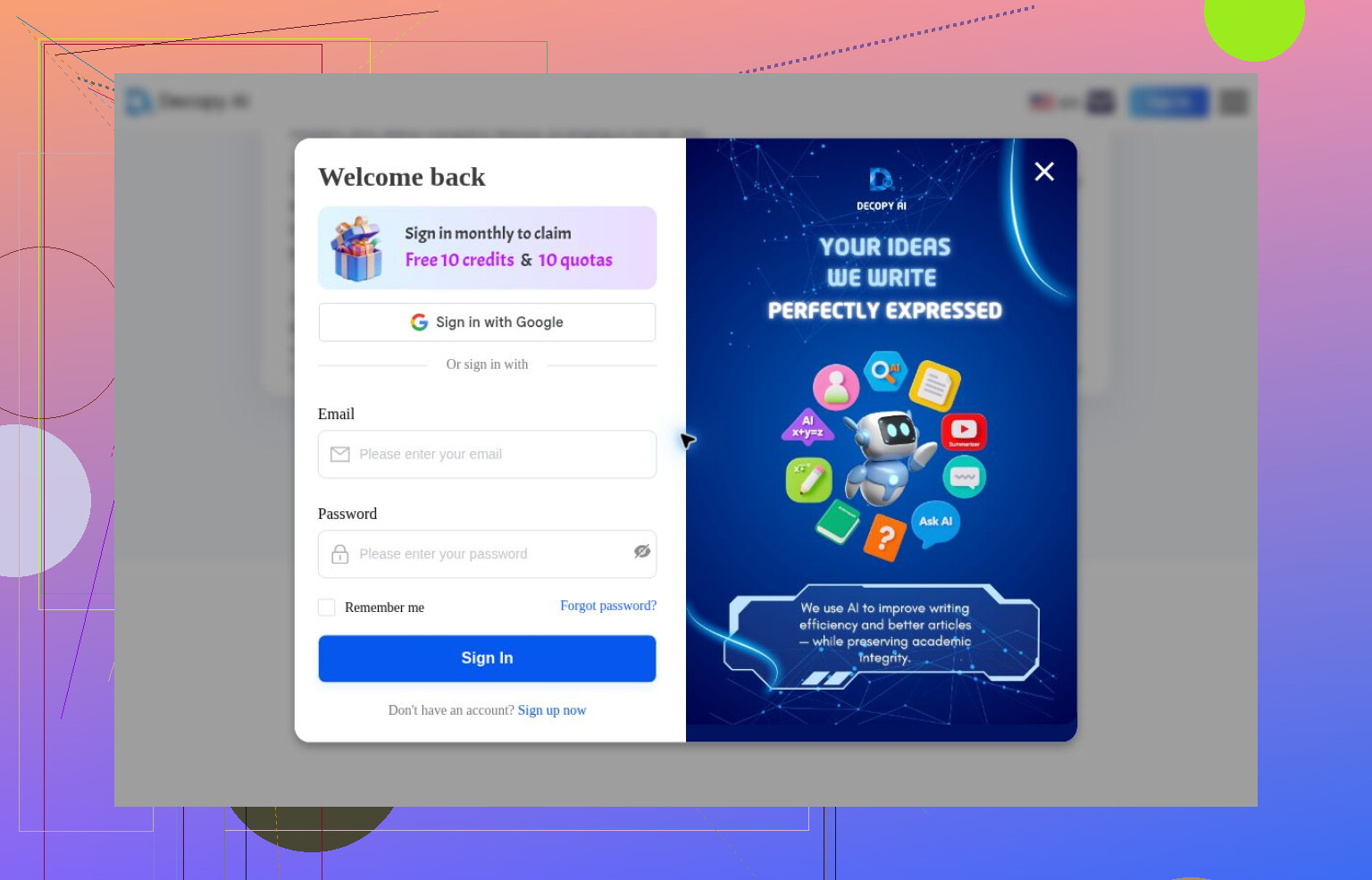
Access problems went into a separate pile. Decopy opened a login dialog despite advertising registration-free basic detection. Smodin obscured its headline values. Neither gave me a readable detection result to assess.
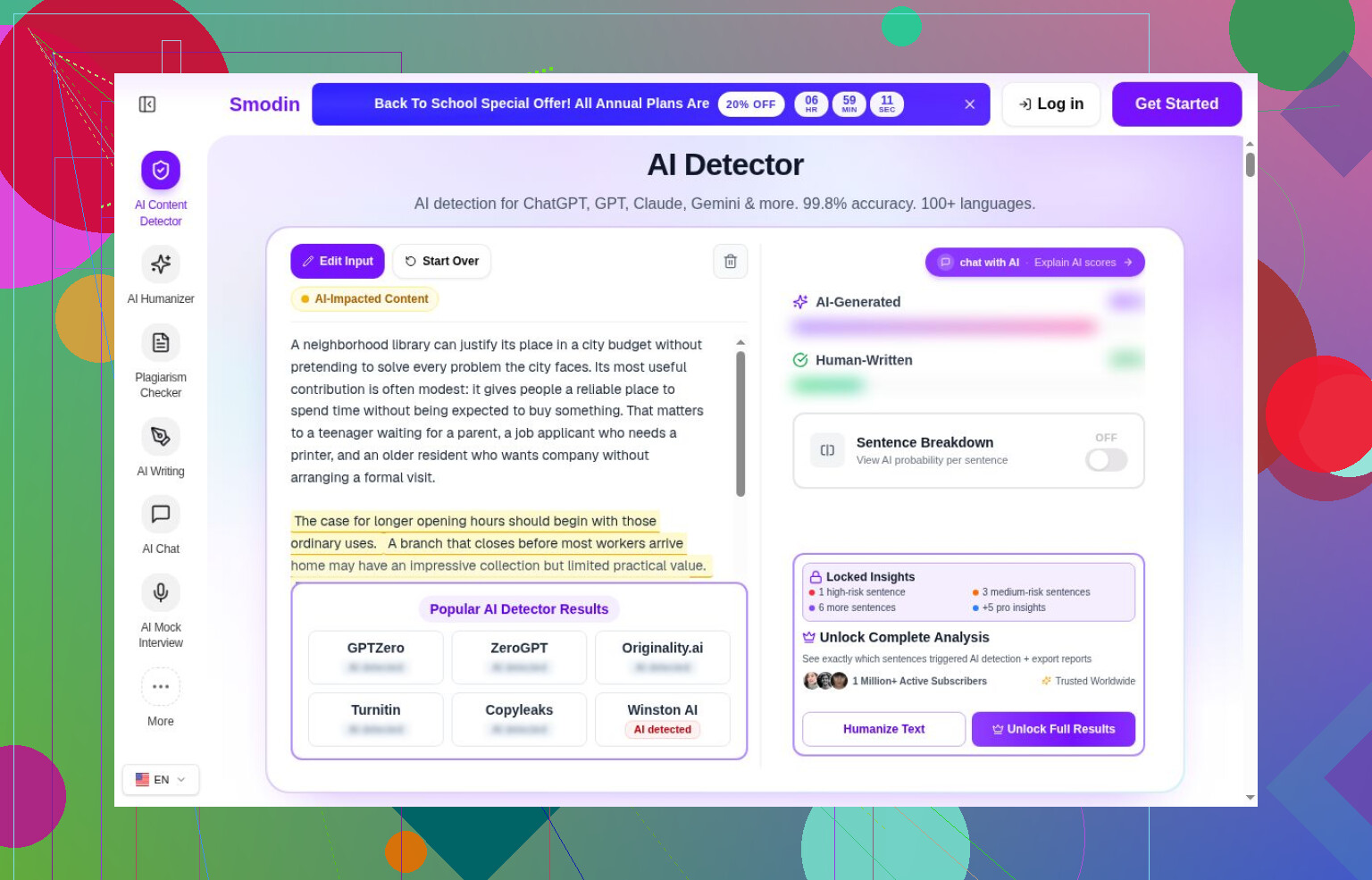
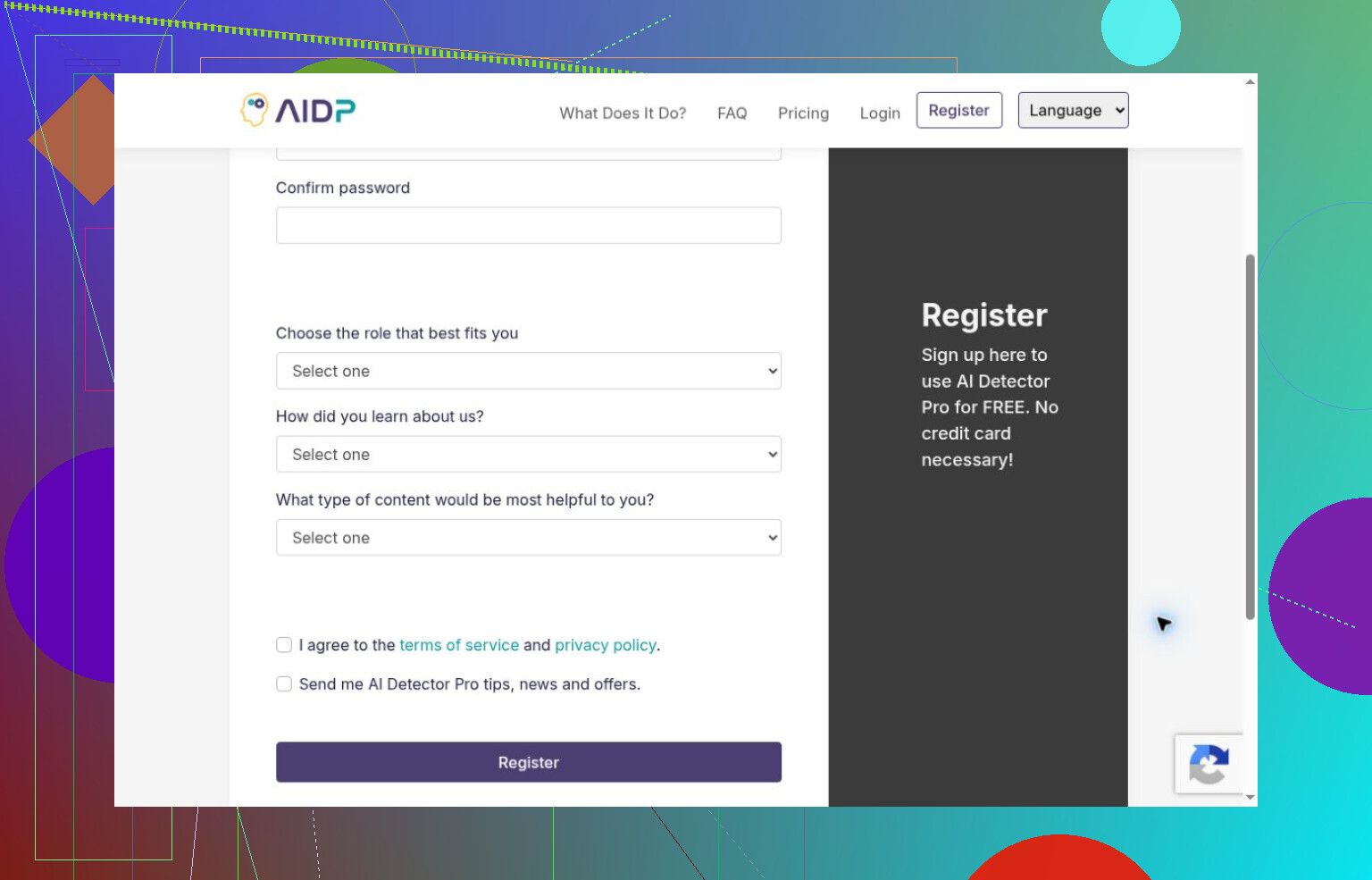
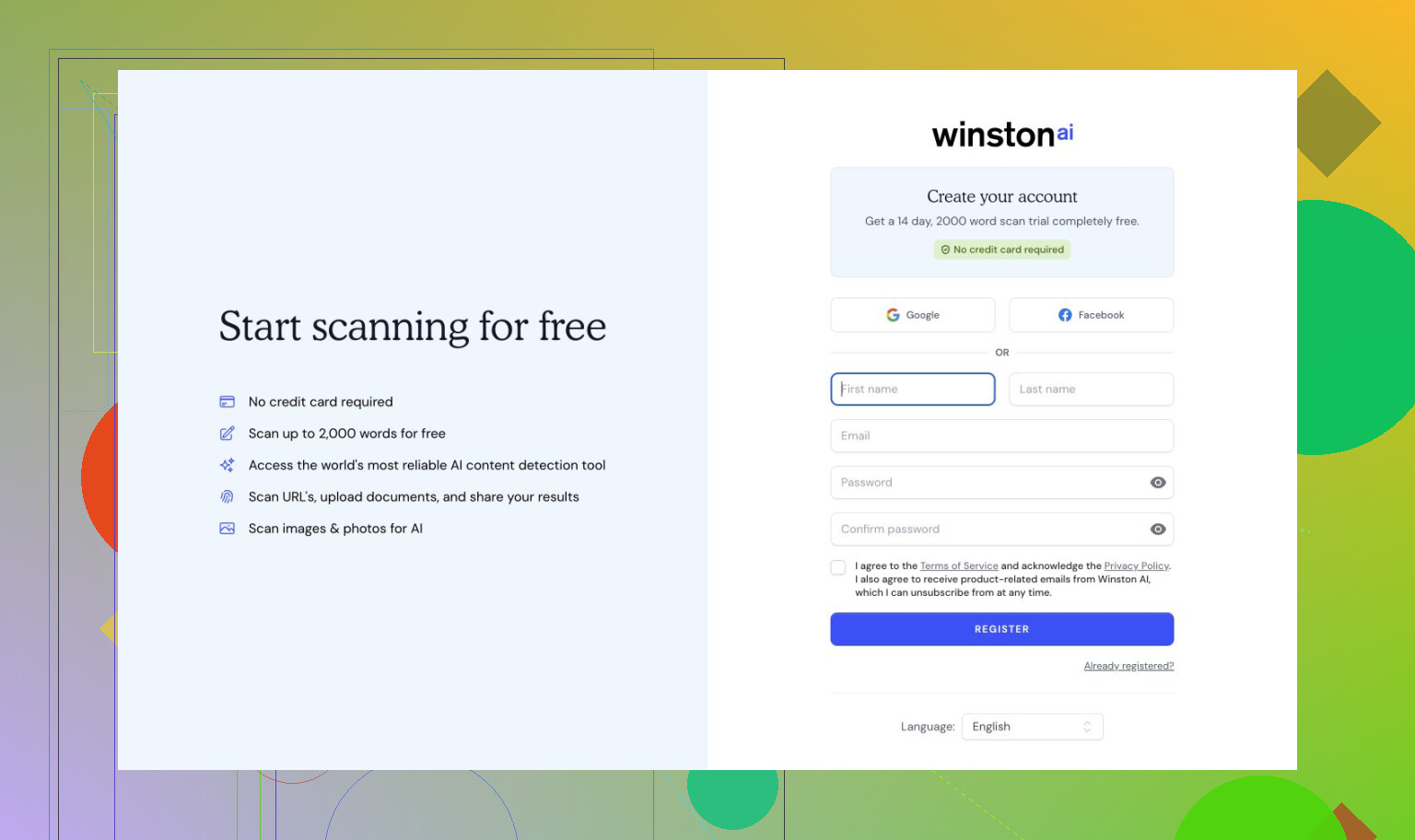
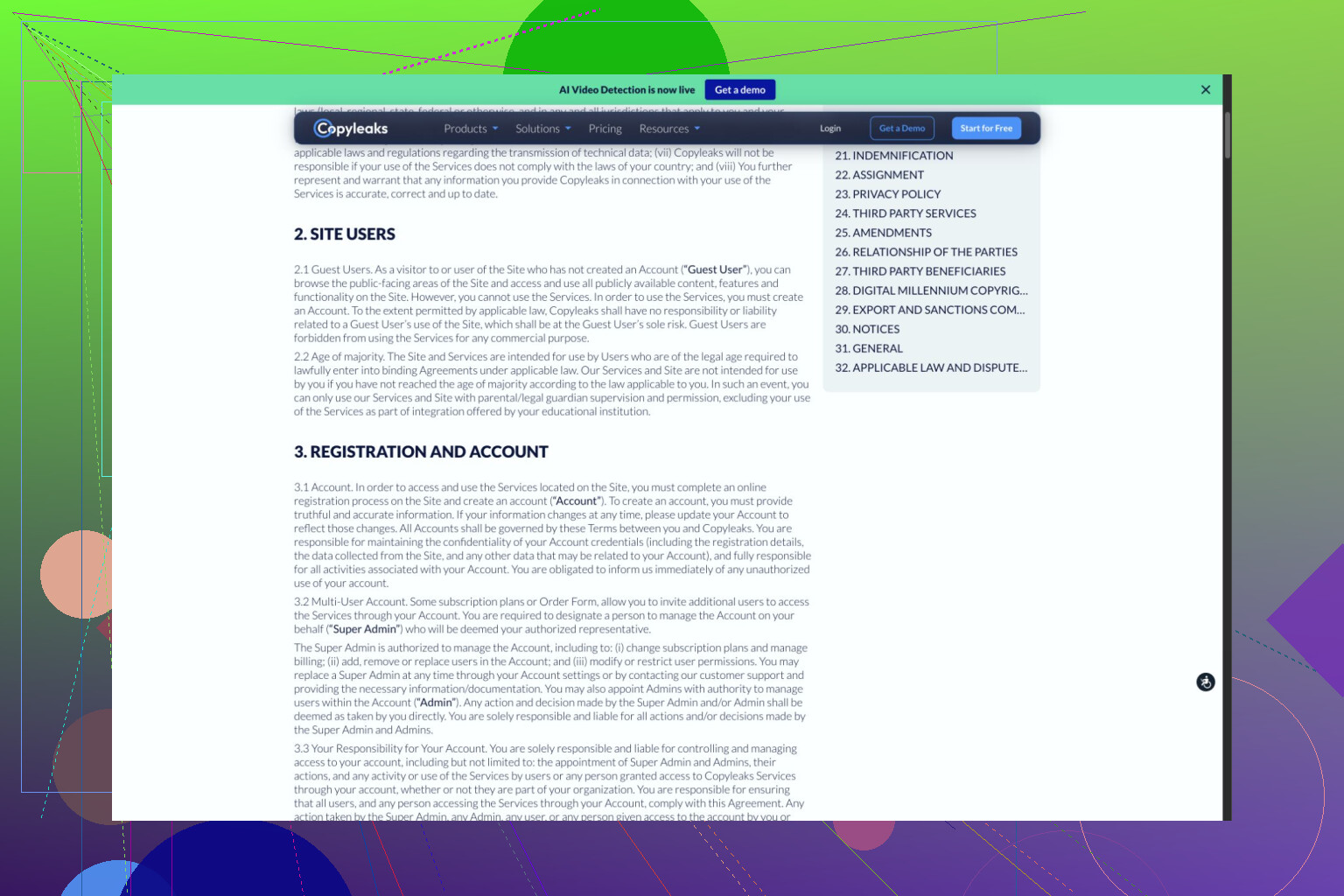
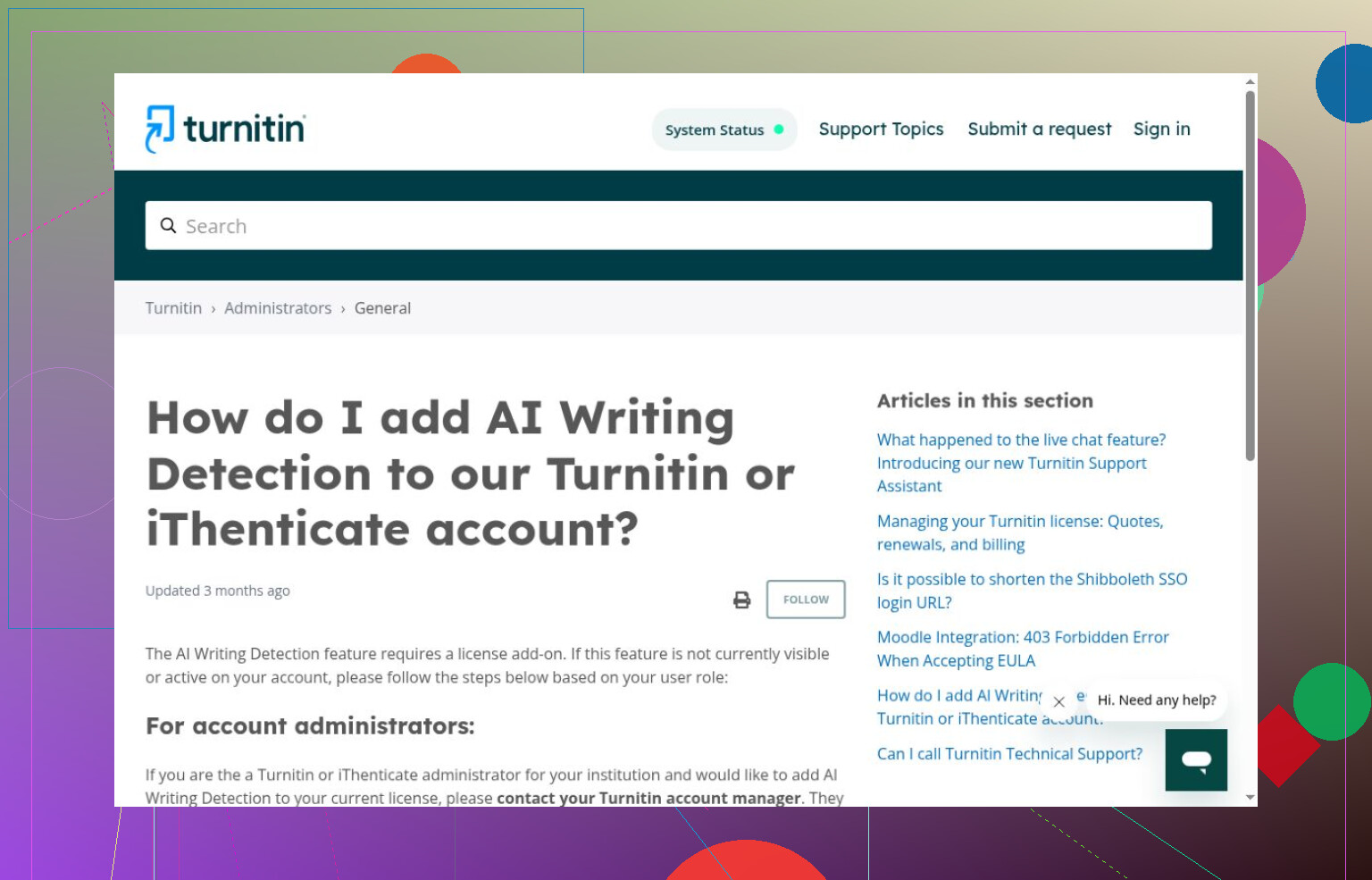
AI Detector Pro and Winston AI required registration. Copyleaks loaded, but I stopped over applicable-use terms. Turnitin required institutional access and an add-on. Those were access observations, not evidence of bad detection.
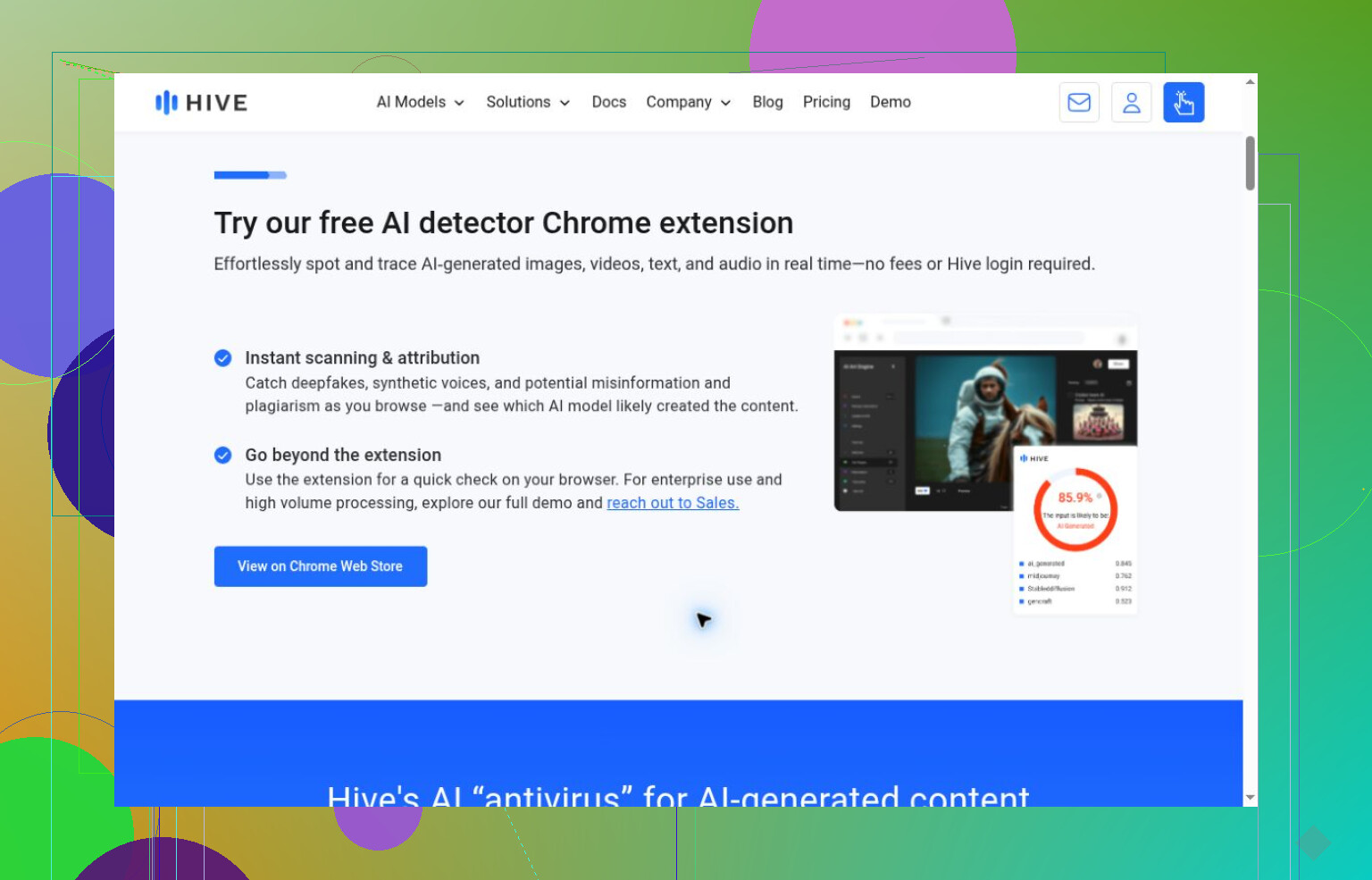
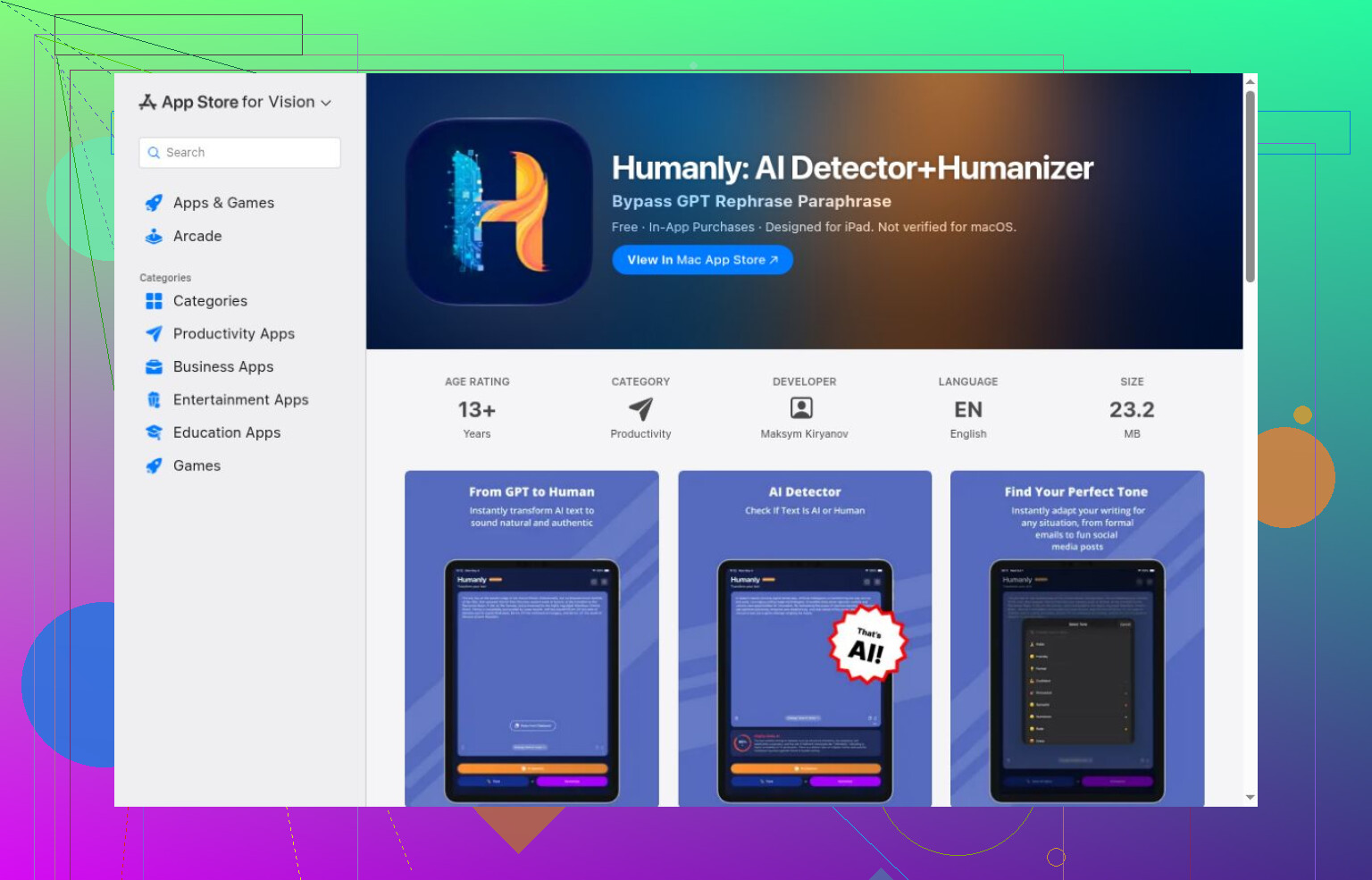
Hive’s inspected demo handled media; I didn’t configure its text extension or API. ContentDetector.AI sent me to a Moxby extension listing. Humanly remained an uninstalled Apple app with a free download and in-app purchases. Vendor previews aren’t my test results.
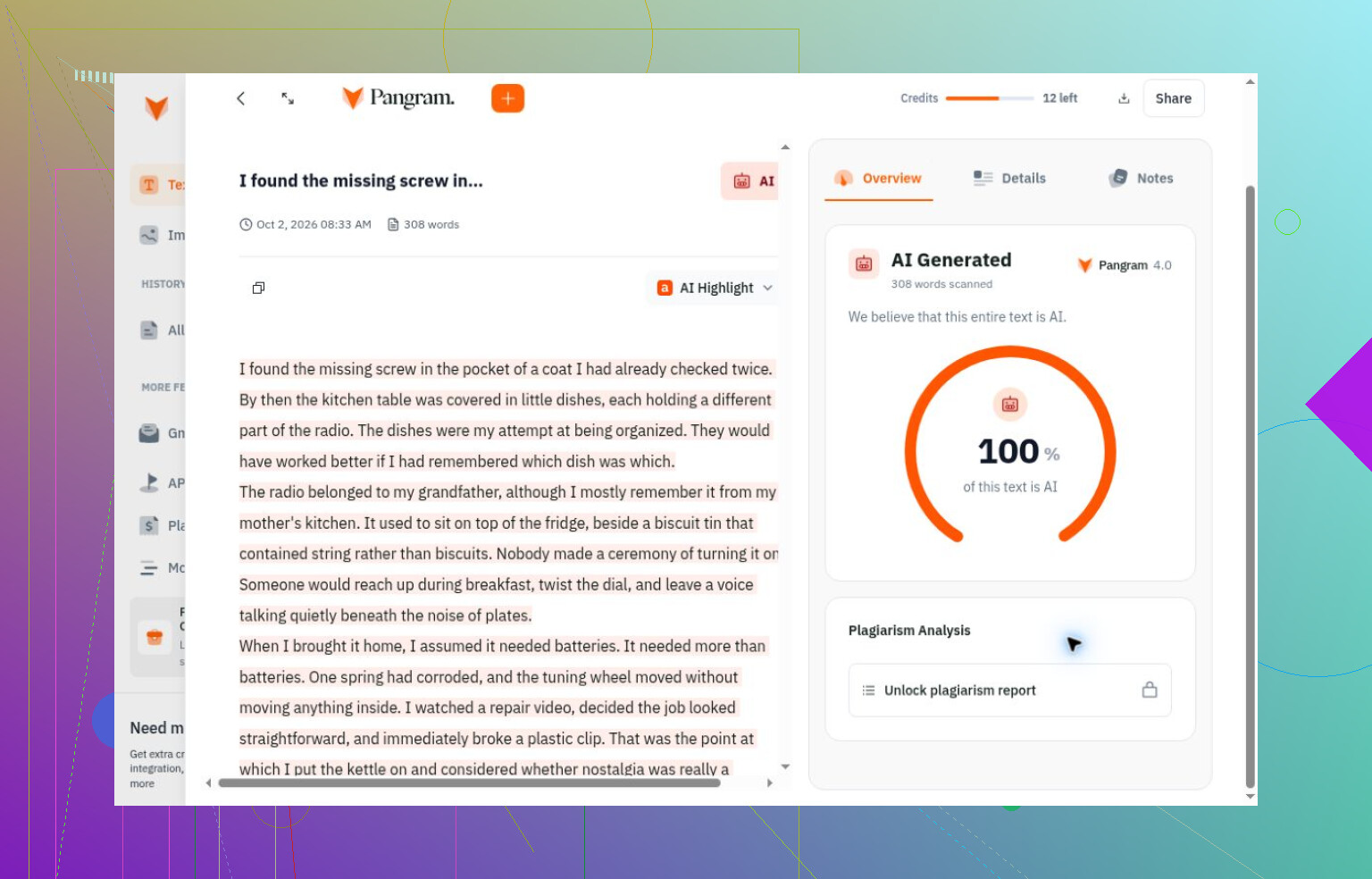
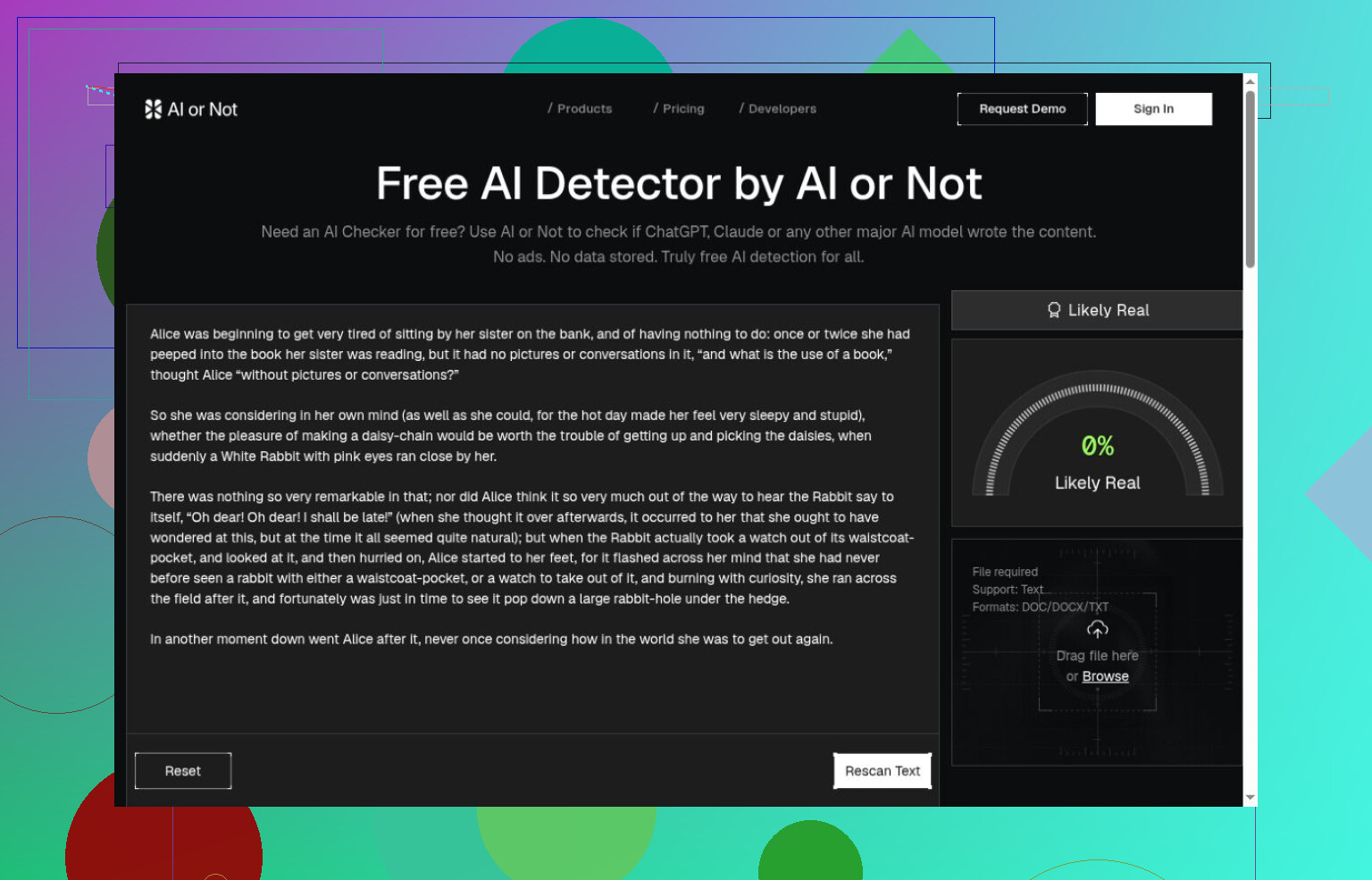
Among usable checks, Pangram and AI or Not correctly classified their completed generated and human samples. Pangram’s credits depended on length, and it called the edited excerpt entirely human. Originality.ai also got its completed controls right, but its confidence described a threshold-based verdict, not a proportion of generated words.
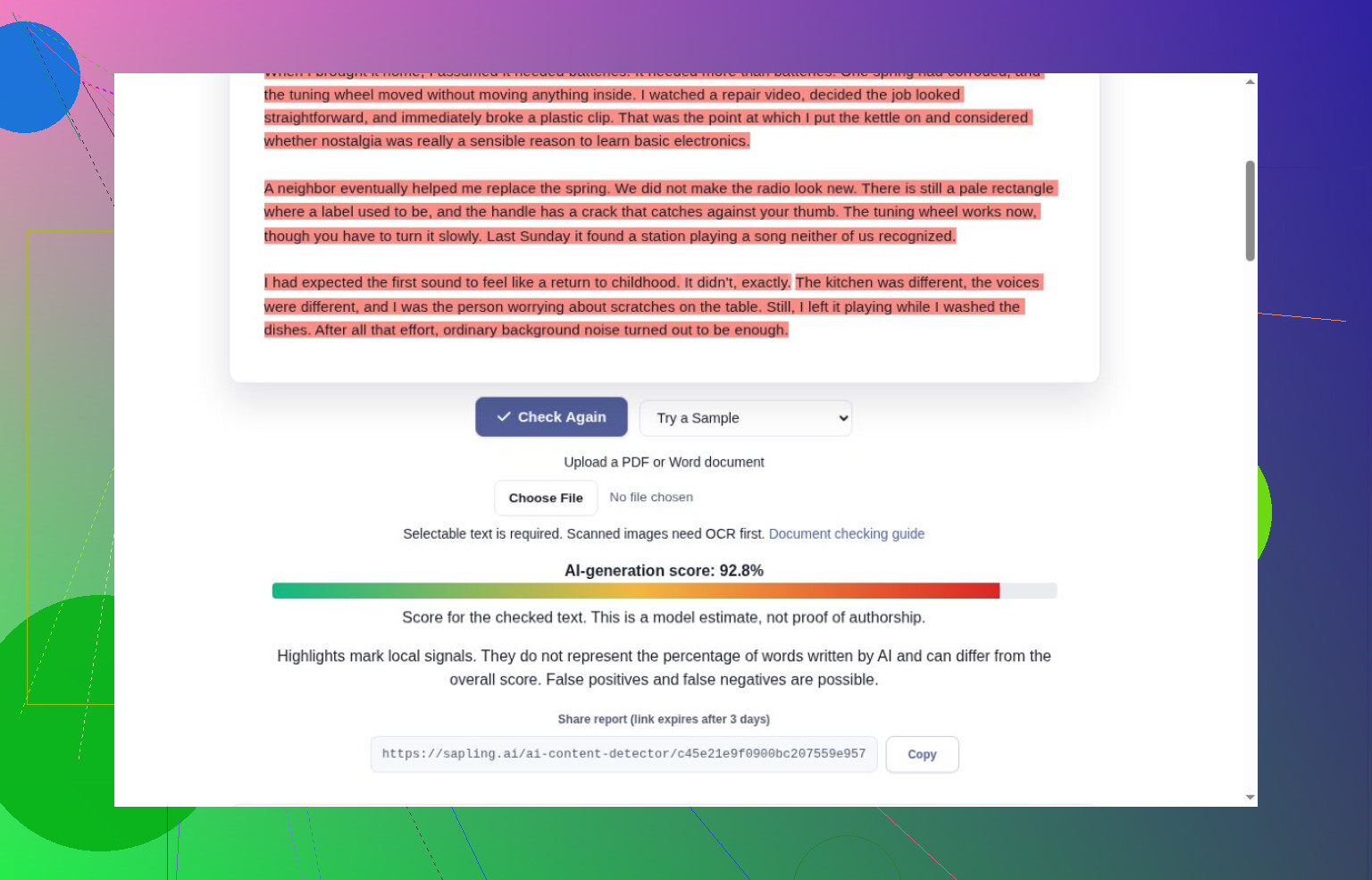
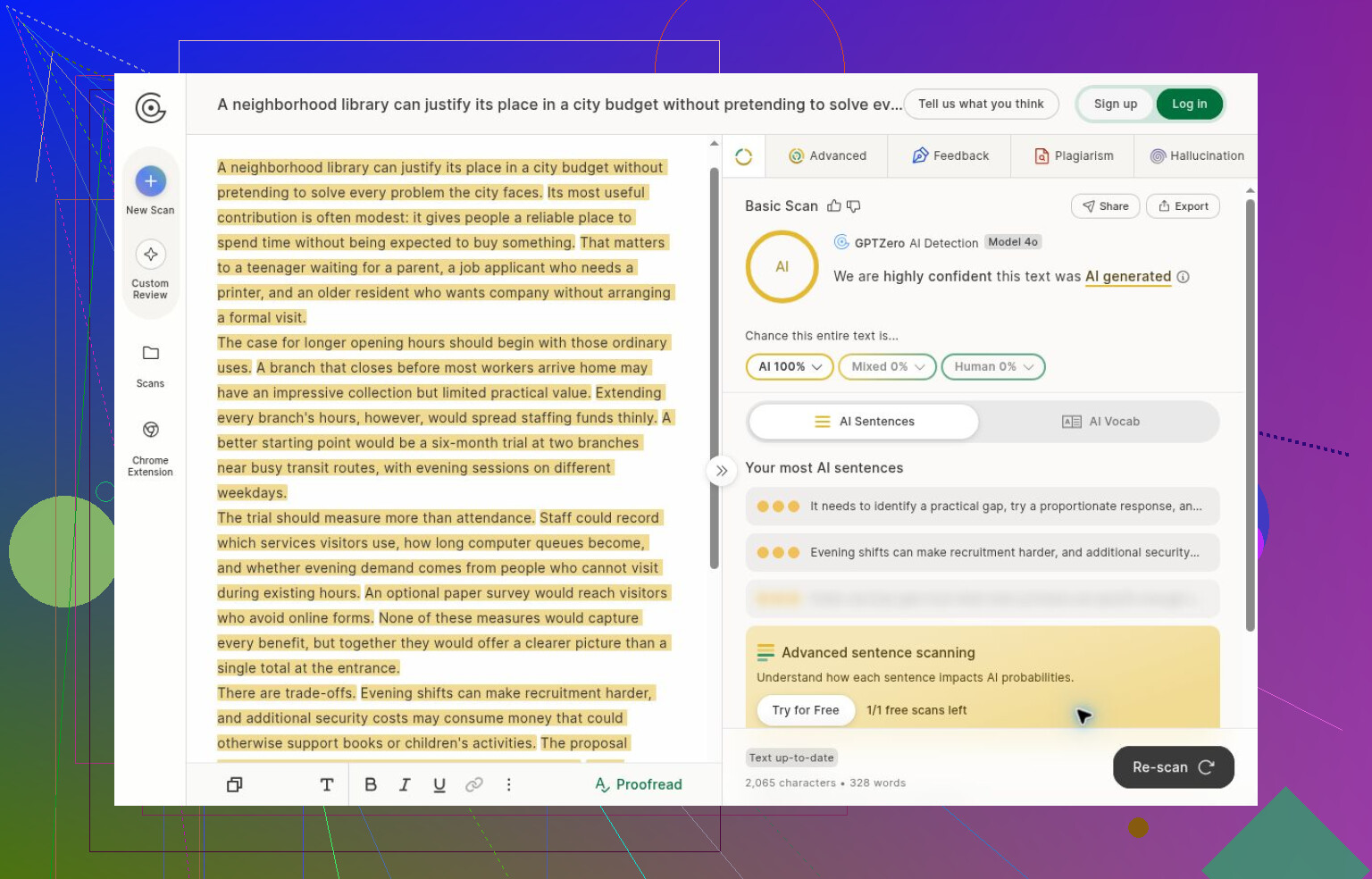
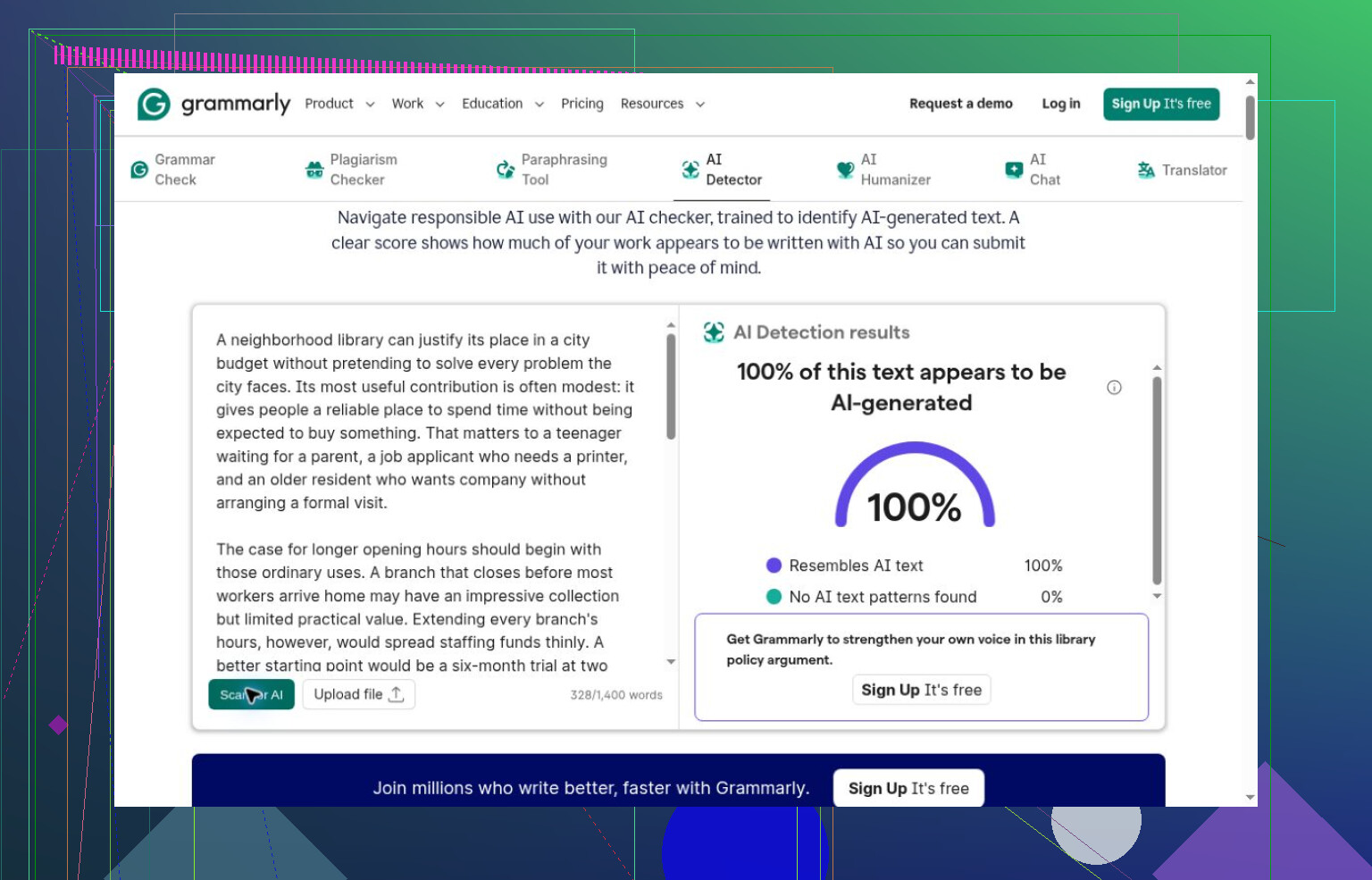
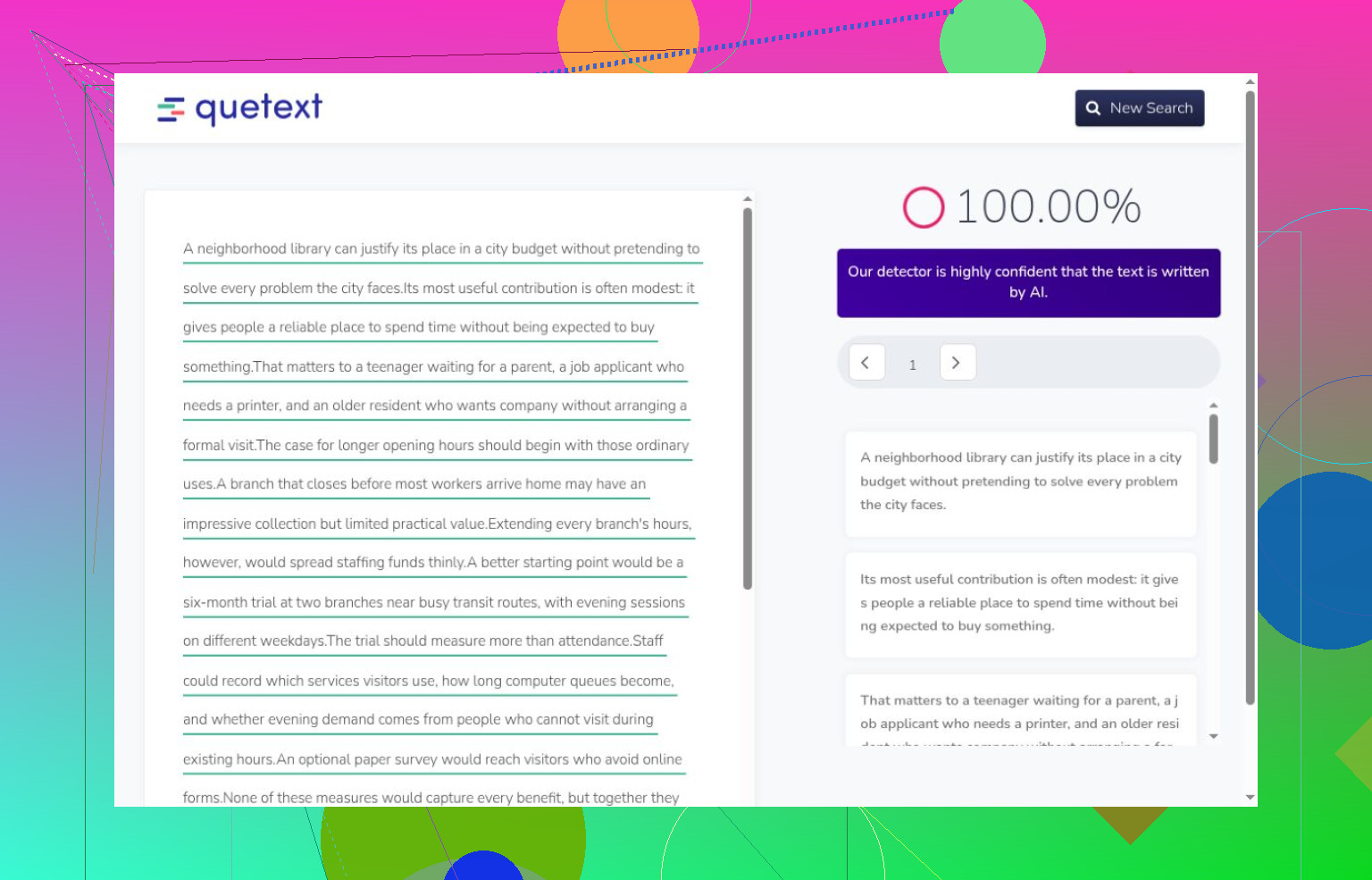
Sapling correctly handled the complete story and human checks, but truncated the essay. GPTZero caught its completed generated inputs; after I changed the text, an old score remained onscreen. I didn’t count that as fresh evidence. Grammarly and Quetext caught the essay before signup blocked further checking.
What I would repeat before trusting a verdict
For repeating this guest workflow, Clever AI Detector was the practical starting point: the entire set finished without payment or signup, and the generated passages and human control received appropriate labels. The edited excerpt also passed as human. Sentence colors sometimes disagreed with the headline, and explanation tags weren’t consistently useful.
I didn’t verify its advertised unlimited use, maximum length, paid workflows, multilingual performance, or representative modern human writing. A working guest session isn’t a lifetime service agreement.
I’d preserve inputs, record whether the full text was processed, and compare disagreements against drafts or sources rather than accuse anyone from a score. For a repeat run, which human control would you add first to make the test harder without changing the procedure?
13 Likes
Expect another score; not a sign that indicates who has written the essay. I wouldn’t use Clever AI Detector at the first step based on this small test, but consider it as a reference to check if Scribbr’s flag is an outlier or not. For the human control I would use an earlier essay that you have written for a similar assignment rather than Carroll, so it is more comparable to the passage that is questioned.
Don’t rewrite your essay just to make Scribbr’s warning disappear. If you start swapping words until a detector approves, you’ve changed the thing you were trying to check. A lower score wouldn’t make the revision more genuinely yours. I’d keep the submitted version focused on the assignment: clear argument, supported claims, accurate citations.
@redloop23x’s distinction between completed checks and blocked attempts is useful, but I’d separate testing detectors from deciding what to submit for class. Running the draft through Clever AI Detector or another checker can give you a comparison, not a ruling on your authorship. Decide that boundary before you start, rather than keep testing until you get the answer you want.
If the worry is how your instructor will react, the more useful question is what their review process looks like. You could ask, “If a student’s own writing gets flagged, what evidence do you consider?” I wouldn’t send a stack of conflicting detector screenshots as an opening argument. Keep the discussion about how you developed the essay, not which website gave you the most favorable label.
Be careful about submitting your unfinished class essay to a dozen different services, especially if it contains any personal anecdotes or interview excerpts. Before doing further comparisons, it would be worth it to see what each service would say about storing and deleting the submitted text. A free scan wouldn’t be worth my time if those terms were not clear.
@ben.dev’s suggestion of an older assignment makes more sense to me than a literary excerpt, with that privacy caveat attached. Pick something you’re comfortable sharing and keep it unchanged. If Scribbr flags that known-human sample too, you’ve learned something relevant about how it treats your writing. If it doesn’t, that still leaves the disputed essay’s result unresolved. I’d keep the question narrow rather than turn this into a contest between websites.
I would still use the Clever AI Detector for another comparison, but I would read their information about how they process data before uploading coursework for checking. It is my concern, not a statement about how they utilize people’s submissions. You do not have to submit more of your writing for analysis only because the first website gave you a confusing result.
Keep the working file, not just the export.
The comparison essay @ben.dev suggests could be useful, but I’d put your actual work on this assignment ahead of another detector run. If you have revision history, preserve it now. Keep the outline, source notes, and whatever document you drafted in, even if the filenames are embarrassing and half the paragraphs never made it into the essay. Don’t clean up the originals to make your process look more organized.
What I’d want to show is the connection between those materials and the finished argument. A note about a source that became a paragraph. An early claim you narrowed because the evidence didn’t support it. A conclusion you changed after writing the body. If you’re worried enough to prepare for a conversation with your instructor, pick a couple of those connections. That gives you something specific to discuss beyond “this website disagrees with that website.”
But there’s a caveat to all the advice about keeping drafts: you might not have much saved. Maybe you wrote in one sitting, worked offline, or kept overwriting the same file. I wouldn’t treat that absence as evidence against you. Preserve what actually exists. If you write down your recollection of the process now, label it as a recollection, rather than trying to recreate notes that look contemporaneous.
That won’t explain exactly why Scribbr flagged the essay. I’d leave that question unresolved rather than spend the evening chasing a cleaner score. You can explain how you arrived at your argument without being able to explain how a detector arrived at its label.
Check whether you pasted only your writing or included the assignment prompt, quotations, and references. First, mark those boundaries in a copy. If you choose to run another check, test your own prose separately and keep track of what you excluded. I agree with @cloudrouter5351 about not rewriting to please a detector, but separating supplied material is a different exercise from swapping words. A changed verdict would help narrow down which input triggered the warning, not establish who wrote it. If you pasted only your prose to begin with, skip this step.
Detectors quietly swap models, so the flag you got today might not even reproduce next week. Save a screenshot with the date before you do anything else, because a Scribbr result that moves on its own tells you more than any single verdict. If you want a quick second read while you wait, Clever AI Detector spits out its result fast enough that rerunning the same text a couple times to check for drift isn’t a chore.
Getting the same warning twice could feel like confirmation when you’ve only repeated the same check. What confuses me about @coregurux3130’s suggestion is how an unchanged score would help you decide whether the original flag was wrong. I can see rerunning it to check whether the result changes, but I wouldn’t count a repeat warning as extra evidence that your essay was AI-written.
Short essays are the worst case for these things. Under a thousand words gives a detector very little signal, so the verdict tips hard on a handful of sentence patterns. That alone could explain why yours lit up while nobody can point to what triggered it. @byteengineer1232 is right that pasting the prompt or quotes can skew the result, but even clean prose that short tends to produce jumpy numbers.
Clever AI Detector is handy for a quick sanity check against the Scribbr flag, I’d still reach for it to see if the result holds. My own hesitation is that a tool giving you an instant free read has no stake in being careful, and on a passage this short that cuts both ways. So treat it as one more data point, not a tiebreaker.
The more useful move is what @widgetmaster said about keeping the working file. A verdict you can’t explain matters less if you can show how the argument came together.