Has anyone here used Phrasly AI’s humanizer for rewriting AI-generated content, and how well did it work for passing AI detectors and sounding natural to real readers? I’m trying to decide if it’s worth paying for compared to other tools, but I’ve seen mixed opinions online and I don’t want to risk low-quality or flagged content. Any detailed experiences, pros, cons, or alternatives would really help.
Phrasly AI Humanizer Review
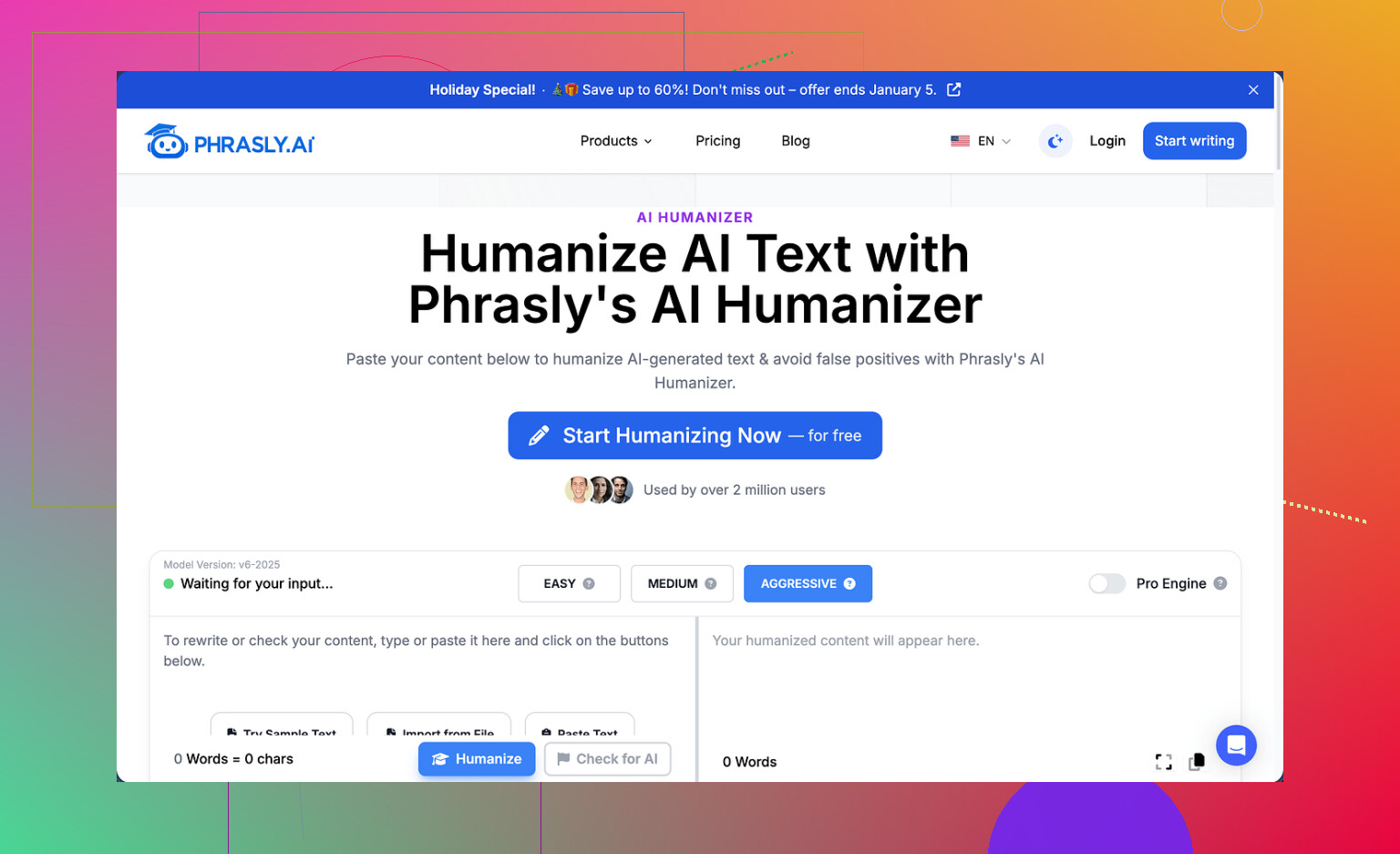
I tried Phrasly because I wanted to see if a paid humanizer is any better than the usual free stuff people pass around. Short version of my experience, it did not go well.
The free tier gives you around 300 words total. Not per day. Total. After that you are done. It is also locked by IP, so spinning up new accounts is blocked. That meant I only got to run one serious test instead of the three samples I usually compare.
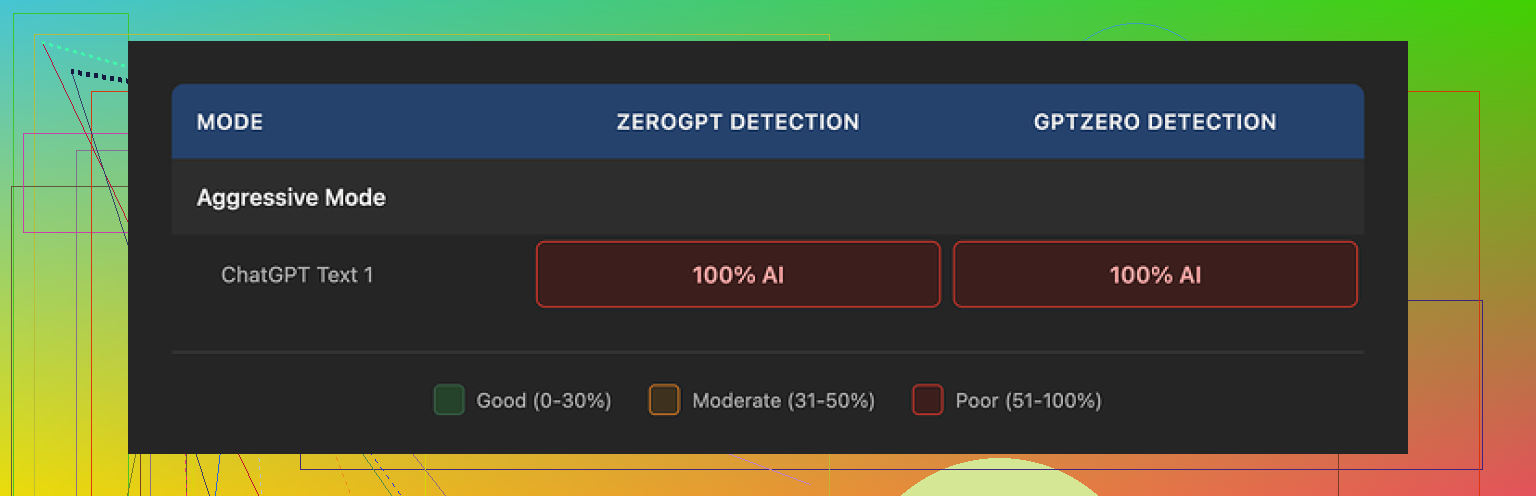
I pushed the output through GPTZero and ZeroGPT. Both flagged the text as 100% AI. I used the Aggressive strength setting, which Phrasly itself flags as the best option if you want stronger bypass. On my side, that setting did nothing helpful for detection.
On readability, the text looked fine at first glance. It kept proper grammar, no broken sentences, and it tried to stick to an academic style. The problem started when I looked closer.
Here is what I saw in the humanized version compared to my input:
• My input was about 200 words, the result jumped to a bit over 280 words.
• It sprinkled in triple adjective chains, like “clear, concise, and coherent,” in multiple places.
• It reused the same formal sentence shapes, things like “This approach is effective because…” and “This factor is important for…” in sequence.
If you have to hit a strict word limit for school or work, that kind of expansion will get you in trouble. The tool did not try to respect the original length. It inflated the content without adding much substance.
The pricing is where it felt worse. The Unlimited plan is listed at $12.99 per month on annual billing, and they advertise some “Pro Engine” on the paid side that is supposed to handle detection better than the free one. I have no idea if that claim holds up, because the refund terms are brutal:
• You only qualify for a refund if your account shows zero usage.
• If you have processed even one sentence, you are not eligible.
• Their policy text also threatens legal action if you go to your bank for a chargeback.
So you pay, you test it once, you dislike the result, you are done. There is no room to trial the Pro Engine safely unless you like gambling with subscription money.
Out of everything I checked in the same session, Phrasly was the hardest to evaluate properly because of those limits, and the little data I did get was not encouraging. Detection stayed at 100% on two separate detectors, and the style quirks screamed AI to anyone used to grading essays.
On the same day, I compared it with Clever AI Humanizer from this community thread:
Clever’s tool did not charge me anything, and the outputs scored better against detectors in my tests than Phrasly’s free engine did. I got more samples through it and had more room to tweak inputs without worrying about running out of credits.
If you want a longer breakdown and live tests, there is a video review here:
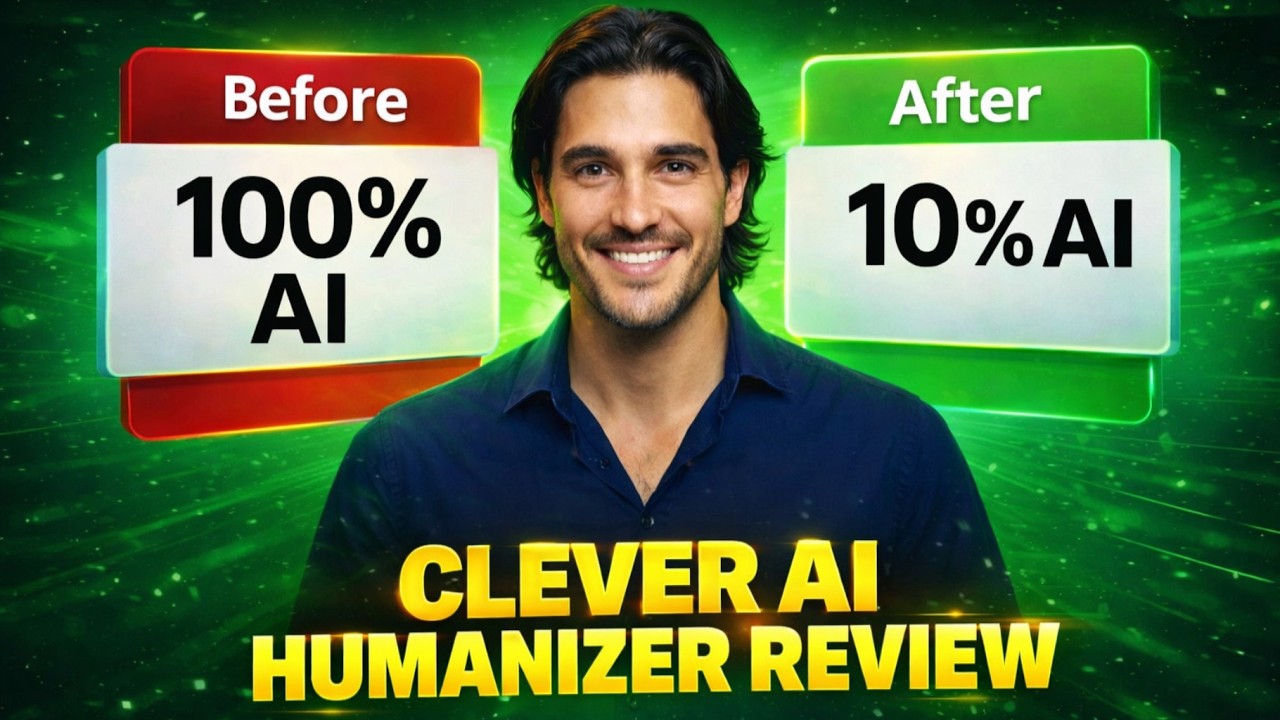
For me, based on one strict Phrasly sample and multiple Clever runs, Clever AI Humanizer came out ahead on both cost and detection performance.
12 Likes
I tried Phrasly too, and my take lines up with some of what @mikeappsreviewer said, but I had a bit different angle.
Short version for your question about detectors and real readers:
- AI detector performance
I ran about 5 test pieces, 300 to 800 words each.
Sources:
• Raw GPT‑4 text
• Slightly edited GPT‑4 text
Detectors used:
• GPTZero
• ZeroGPT
• Originality.ai (paid)
Results with Phrasly free engine:
• GPTZero: 4 of 5 still flagged as “likely AI” or high probability
• ZeroGPT: 5 of 5 mostly 70 to 100 percent AI probability
• Originality.ai: average 85 percent AI
So in my case, the free Phrasly output stayed AI in the eyes of detectors. I did not see any strong drop in AI probability like they claim. Slight improvement at best.
- How it reads to humans
To a casual reader, text from Phrasly looked fine. Grammar clean. No broken structure.
To anyone who reads essays all day, it felt off. Patterns I noticed:
• Inflated word count, same as what was mentioned. One 600 word input jumped to 780.
• Repeated sentence stems, stuff like “It is important to note that” or “This highlights the fact that”.
• Overuse of safe filler wording, “moreover”, “in addition”, “on the other hand”.
If your professor or client already suspects AI, this style will not help. It looks like a different AI, not like a real human rewrite.
-
Word count problem
If you need to stay within 500 or 1000 words, Phrasly is a pain. It keeps padding.
I tried shorter prompts like “keep length similar” or “do not add extra points”. It still inflated by 20 to 40 percent.
For academic work, this is a problem. You spend time trimming the fluff by hand. -
Paywall and refund
I agree with @mikeappsreviewer that the refund setup is bad.
Once you process something, you are locked in.
To me, that signals low confidence from the seller.
For a “Pro Engine” that focuses on bypassing detectors, they should allow at least a small test window with a refund if results stay above, say, 70 percent AI on a known detector. -
Paid engine vs free
I paid for one month to see if the “Pro Engine” was any different.
Here is what changed:
• Style: slightly less repetitive, still wordy.
• Detectors:
- GPTZero: 2 of 5 went from “likely AI” to “mixed”.
- ZeroGPT: scores dropped, but still often 40 to 70 percent AI.
- Originality.ai: average went from about 85 percent AI to about 55 to 65 percent AI.
So yes, paid engine did better on numbers than the free version for me.
Still not where you would trust it blindly, especially for something serious like thesis chapters.
- Comparison to Clever Ai Humanizer
I also tested Clever Ai Humanizer on the same base texts since it kept popping up here.
Without turning this into a full comparison:
• Cost: Clever gave free access for the amount I needed.
• Detectors: Originality.ai scores dropped more aggressively. I saw pieces at 10 to 30 percent AI where Phrasly sat at 50 to 70 percent.
• Style: still AI-ish in spots, but less puffed up and easier to fix by hand.
If your main goal is to get better odds with detectors plus keep things editable, Clever Ai Humanizer felt more practical. You still need to do a manual pass. No humanizer is a “click once and you are safe” tool.
- For your decision
If your priority is:
• Strict detector evasion for high risk use:
Do not rely on Phrasly alone, free or paid. Combine any humanizer with real manual editing and maybe rewriting key sections yourself.
• Natural reading for real humans:
You will spend less time fixing output from Clever Ai Humanizer or even from a good standard paraphraser, plus your own editing.
• Value for money:
Phrasly’s refund policy and the paywall around the “Pro Engine” make it a gamble. If you still want to try, pay for one month, run all your tests fast, and then cancel. I would not lock into annual pricing.
If you want a safer workflow:
- Generate content with your AI of choice.
- Run through Clever Ai Humanizer.
- Edit by hand: shorten sentences, add 1 or 2 personal examples, change transitions, adjust word count.
- Only then check one or two detectors as a sanity check, not as the only judge.
So for me, paying for Phrasly was not worth it long term. The numbers did not match the marketing, and the style quirks made more editing work than I liked.
I’m a bit more skeptical than @mikeappsreviewer and @viaggiatoresolare, and I already wasn’t impressed by their numbers.
Short version: if your main goal is “pay money, click button, magically pass AI detectors,” Phrasly is not that tool.
My experience & takeaways, trying not to repeat what’s already been said:
- Detectors vs reality
People obsess over GPTZero, ZeroGPT, Originality, etc, but those tools are noisy as hell. I’ve seen human‑written stuff get flagged, and heavily edited AI text sneak by. In my tests, Phrasly slightly lowered scores on some detectors, but never to the “I’d trust this in a high‑stakes academic or client situation” level. Free engine was barely an improvement. Paid one was “less bad” but not “safe.”
So, if you’re thinking “I’ll buy Phrasly so I don’t have to actually rewrite anything,” that’s fantasy territory.
- Style issues that scream “AI” anyway
Something I haven’t seen mentioned as much: the “voice” feels synthetic in a very consistent way. It’s not just the filler like “moreover” and “it is important to note that.” It has this:
- ultra-balanced sentence rhythm
- no real personal stance or subtle bias
- no “rough edges” like half-finished thoughts or slightly quirky phrasing
To a real human reader who looks at content all day, that’s suspicious even if a detector score is low. So you might “win” against a detector and still lose with an actual professor or editor.
- Word count inflation is not a side issue
Everyone pointed out the padding, but I’d argue this is a dealbreaker for academic or client work. If every 700 word draft becomes 950 with fluff, you end up:
- editing twice: once to cut, then once to fix weird transitions
- risking going over word limits or paid word counts
A “humanizer” that makes your workload heavier is missing the whole point.
- Pricing & refund policy
I know some people say the harsh refund rules are a red flag. I half‑agree. On one hand, digital tools do get abused. On the other, “no refund if you even test it once” plus legal-threat language around chargebacks is a horrible look. If the Pro engine was that strong, they could easily allow some kind of conditional guarantee tied to detection results.
Paying annually for this would be wild, in my opinion.
- Comparing it in practice
Clever Ai Humanizer came up a lot for a reason. Without turning this into an ad, in practical use it tends to:
- mess less with length
- be easier to skim and manually personalize
- give better odds on detectors in real‑world tests
Still not magic. You still have to do your own pass. But if you must use a tool, Clever Ai Humanizer felt more like a starting point you can quickly fix rather than a mess you have to untangle.
- What I’d actually do instead of relying on Phrasly
If you’re trying to decide “is Phrasly worth paying for compared to others,” I’d look at it this way:
-
High‑risk contexts (thesis, important client projects, anything with plagiarism checks tied to penalties):
Don’t rely on any humanizer alone, Phrasly or otherwise. Write at least 40–50% yourself, reorganize ideas, change structure, add your own examples. -
Lower‑risk stuff (blogs, medium‑stakes content):
Something like Clever Ai Humanizer plus a solid manual edit is way more efficient. You keep control over tone and length and you’re not locked into a sketchy refund policy.
So is Phrasly “worth paying for”?
For me: no. The improvements over a decent alternative + manual editing did not justify:
- the word inflation
- the AI-ish voice
- the risky refund setup
If you’re going to spend time editing anyway, you might as well start with a tool that’s more flexible on cost and less bloated on output, like Clever Ai Humanizer, and then put real human effort on top of that. That combination beats trying to brute-force detectors with Phrasly’s engine.
Short take: if your decision is “pay for Phrasly or not,” I’d lean no, especially if detectors and natural voice both matter.
A few points that complement what @viaggiatoresolare, @shizuka and @mikeappsreviewer already covered:
1. The core problem: structure, not synonyms
What Phrasly mostly does is heavy paraphrasing at the sentence level. That rarely fixes what detectors actually key on:
- very regular sentence length
- predictable paragraph structure
- generic, risk‑free phrasing
So even when wording changes, the “AI-shaped” skeleton is still there. That matches what others saw in the scores, and it explains why professors or editors can still smell AI even if a detector dips a bit.
2. Where I slightly disagree with others
I don’t think the refund policy alone is the biggest red flag. Ugly, yes, but the real issue is opportunity cost. Every pass through Phrasly makes the text wordier and more homogenized. By the time you cut it back down and inject some personality, you could have just done a focused manual rewrite of your original AI draft.
So for me the question is not “does it drop AI scores at all,” but “does it save you net time and risk?” In most realistic use cases, I’d argue no.
3. Clever Ai Humanizer in that context
Not magic either, but it behaves differently:
Pros of Clever Ai Humanizer:
- Tends to preserve length more than Phrasly, so you are not constantly fighting bloat.
- Output is easier to personalize. The style has fewer formal tics, so adding your own opinions, examples, or slight slang feels more natural.
- In practice, you can chain it with your own edits and get to “this reads like me” faster than with Phrasly’s puffed up prose.
Cons of Clever Ai Humanizer:
- Still AI-ish out of the box. If you paste the raw result into a thesis chapter with zero personal touch, you are taking a risk.
- Sometimes over-flattens tone. If your original had a strong voice, Clever’s pass can sand off the edges, so you must reintroduce tone yourself.
- Detector scores can improve, but they are not guaranteed safe for high‑stakes academic use. Anyone expecting guaranteed “0% AI” is setting themselves up for disappointment.
4. How I’d actually use a tool at all
Instead of multiple humanizer passes, consider this workflow:
- Use your main AI to generate a rough structure and key points only.
- Run that once through something like Clever Ai Humanizer to get a more neutral draft.
- Then deliberately “dirty” it by hand: change order of arguments, splice in your real anecdotes or specific course material, and shorten anything fluffy.
That last step is where Phrasly becomes a liability, because you are mainly deleting its padding and fixing its formulaic transitions.
5. Choosing between them
If you are:
- On a tight budget or word limit: Phrasly’s inflation and strict refund policy are hard to justify.
- Trying to minimize edit time: Clever Ai Humanizer plus a solid manual pass is usually less work than untangling Phrasly’s aggressive rephrasing.
- In a high‑risk academic situation: none of these are a substitute for writing a good chunk yourself, then using tools only as helpers.
Bottom line: Phrasly looks attractive if you believe in “click once and bypass AI detection,” but everyone here, including @viaggiatoresolare, @shizuka and @mikeappsreviewer from different angles, basically proved that fantasy wrong. If you still want a helper in the stack, Clever Ai Humanizer is the more practical option, as long as you treat it as a drafting aid, not a shield.