I’m overwhelmed by all the universal TV remote options online and I’ve already wasted money on two that didn’t work with all my devices. I need a reliable universal remote that can control my TV, soundbar, and streaming box without constant setup hassles. What models are you using that actually work well and are worth the price?
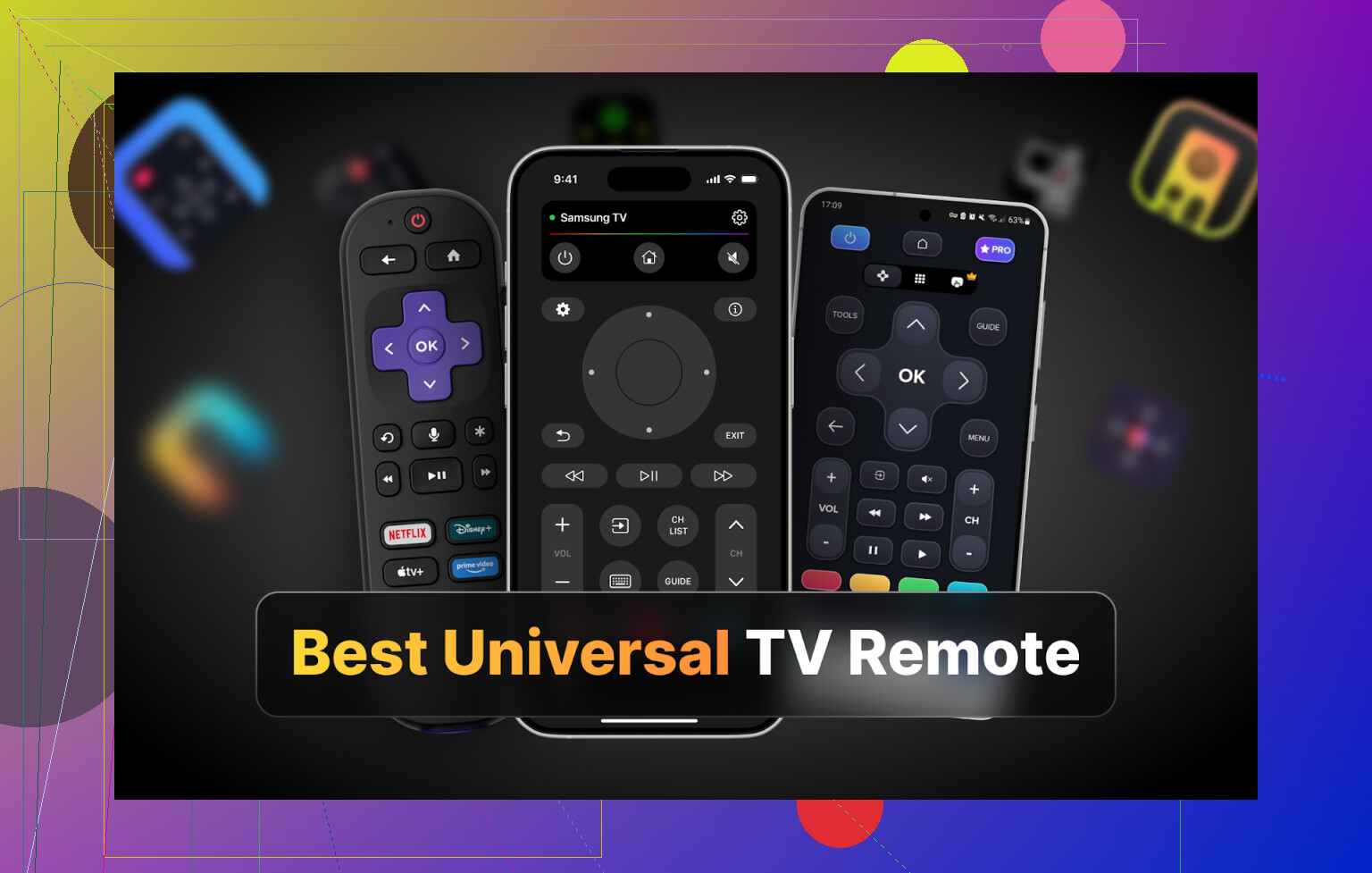
Hi all,
I got sick of hunting for remotes under the couch and behind the bed. We have two TVs at home, Samsung and LG, and I kept mixing up their remotes or losing one for days. My phone, on the other hand, is glued to me.
So I went down the rabbit hole of universal TV remote apps on iPhone, Android, and Mac. I wanted one thing: use my phone or laptop as a remote without wanting to throw it across the room.
Here is what I tried and what actually worked. No sponsorships, no affiliate junk, I was looking for something to use myself.
PART 1: iPhone TV REMOTE APPS
On iOS I tested four popular apps from the App Store:
TVRem Universal TV Remote
TV Remote – Universal Control
Universal Remote TV Smart
TV Remote – Universal
They all promise the same thing. The details are where things fall apart.
TVRem Universal TV Remote – my daily driver on iPhone
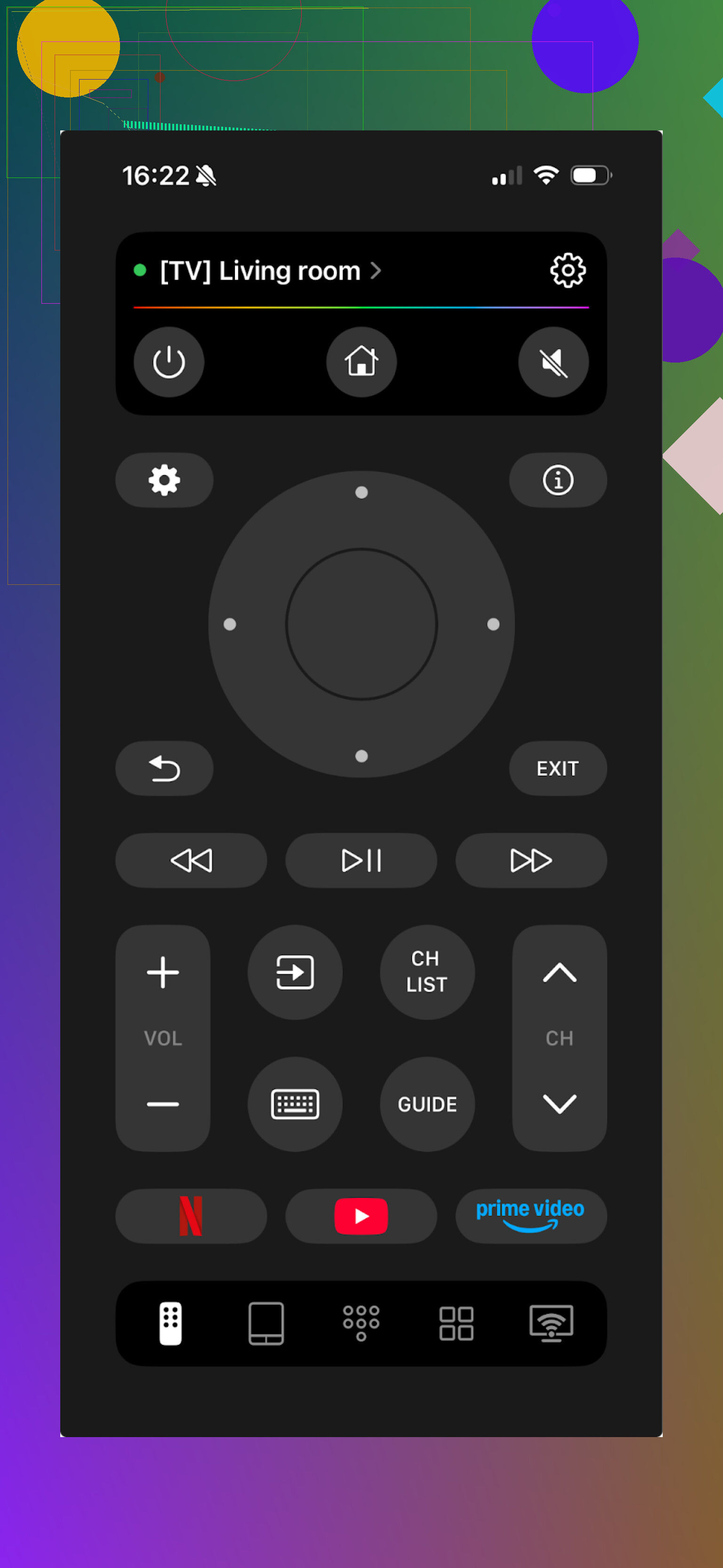
This is the one I ended up keeping on my phone.
I used it with a Samsung and an LG. It also lists Sony, Android TV, Roku and a bunch of other brands. Connection took maybe 10–15 seconds the first time, then it remembered the TV.
What surprised me was the pricing. It is free. No “free but not really free” nonsense. No random popups asking for money every time you press a button.
Stuff I used a lot:
• Touchpad style navigation instead of arrow buttons
• Voice input and voice control on supported TVs
• Normal on-screen keyboard for typing Wi‑Fi passwords and Netflix search
• Standard buttons for channels, volume, power, input, etc.
Pros
- The UI is simple enough that my parents figured it out without a tutorial.
- Connecting to the TV took a few taps.
- No subscriptions, no upgrade nags during normal use.
- Worked with both my Samsung and LG and should work with more.
- Replaces pretty much everything I use on a physical remote.
Cons
- No Vizio support, so if your main TV is Vizio, skip this.
Price: free
Link: TVRem Universal TV Remote App App - App Store
Verdict
For iPhone, this is the only one I kept installed. Free, does all the basics, no nagging. If you do not own a Vizio, it is a solid pick.
There is also a Reddit thread where people argue about universal TV remote apps vs real remotes and mention some of these:
https://www.reddit.com/r/DataRecoveryHelp/comments/1qqa2bh/best_universal_tv_remote/
Product page:
TV Remote – Universal Control
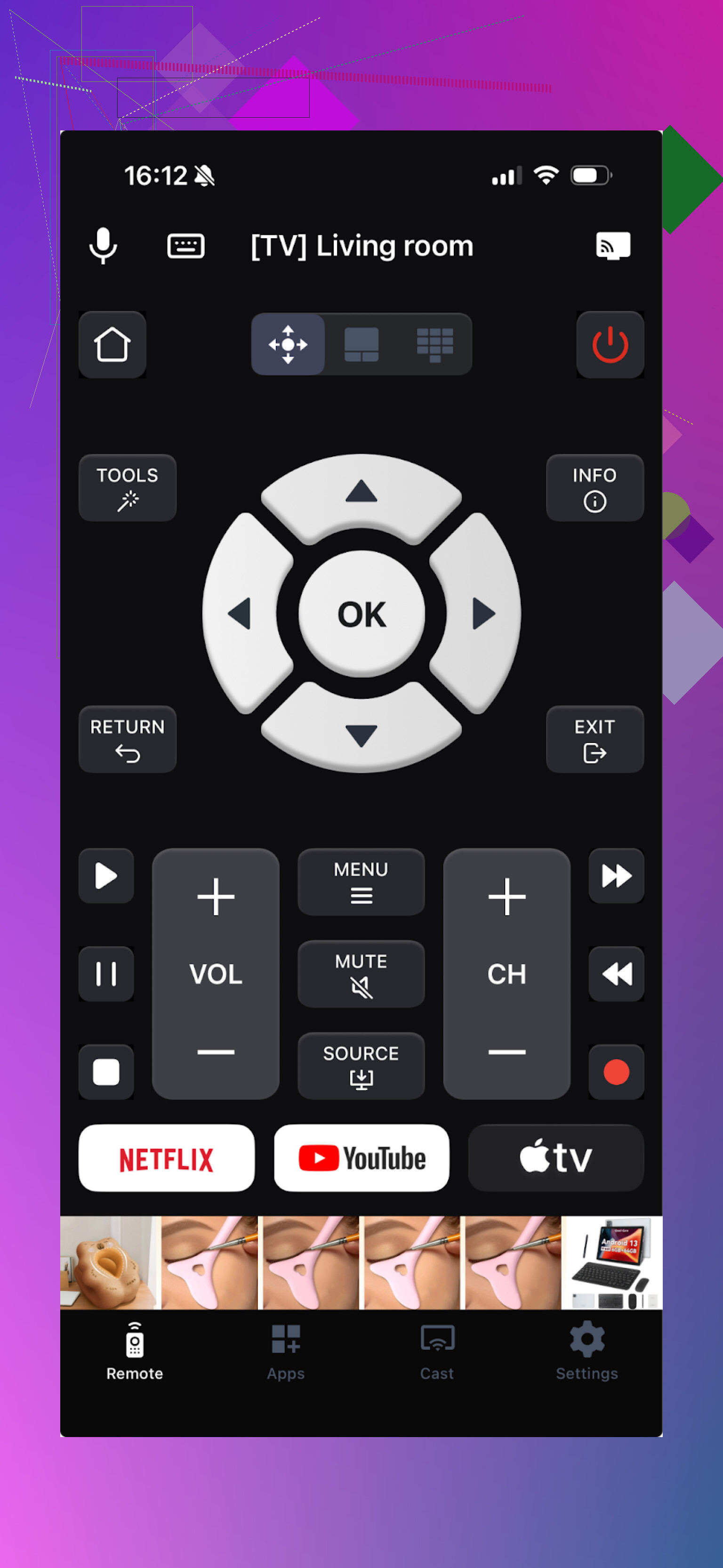
Tried this next because it kept showing up in App Store search.
It works over Wi‑Fi, so both TV and iPhone need to be on the same network. Found my Samsung fast and connected without trouble.
The good:
• Touchpad
• Voice control
• Channel shortcuts
• Built‑in keyboard
• Screen casting if you care about that
The catch: almost everything useful is behind a paywall. I had to start the free trial to test any of the “premium” parts properly. Every second tap felt like walking into a paywall.
Pros
- Has all the functions I personally need.
- Supports a wide range of TV brands.
Cons
- Ads in the free mode.
- Basic things keep triggering “upgrade” prompts.
- Menu opened, crashed a couple of times on my iPhone.
Price: from $4.99 and up
Link: TV Remote - Universal Control App - App Store
Verdict
Not terrible from a technical point of view. It works. But the aggressive monetization killed it for me. If you hate constant upsell prompts, this will drive you nuts.
Universal Remote TV Smart
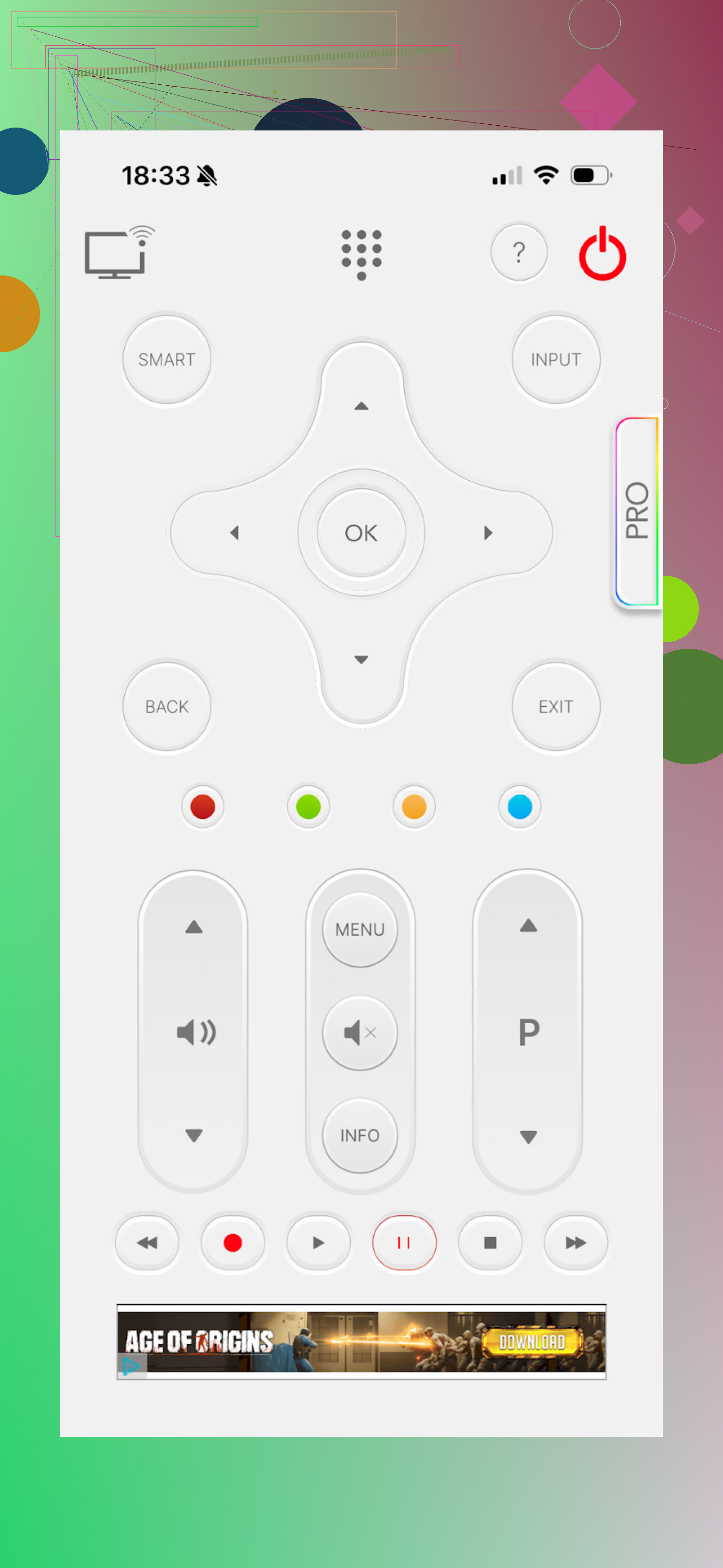
This one felt like someone tried to redesign a remote without ever using one.
It supports a lot of TV brands, so compatibility was not the problem. It connected. It worked. But the layout was awkward. Buttons were placed in odd spots and it did not feel close to a physical remote in muscle memory.
Features I saw:
• Keyboard
• App navigation
• Volume and channel controls
Missing:
• No voice control on my setup
Pros
- Broad brand support.
Cons
- Awkward, cluttered interface.
- No voice control option.
- Ads are not only frequent but also video based and interrupt usage.
- Many actions trigger an offer wall. Even trying to open YouTube on the TV threw an upsell.
Price: from $7.99 and up
Link: Universal remote tv smart App - App Store
Verdict
This was my least favorite of the iOS bunch. Interface fights you, not helps you, and most interesting parts sit behind a paywall anyway.
TV Remote – Universal
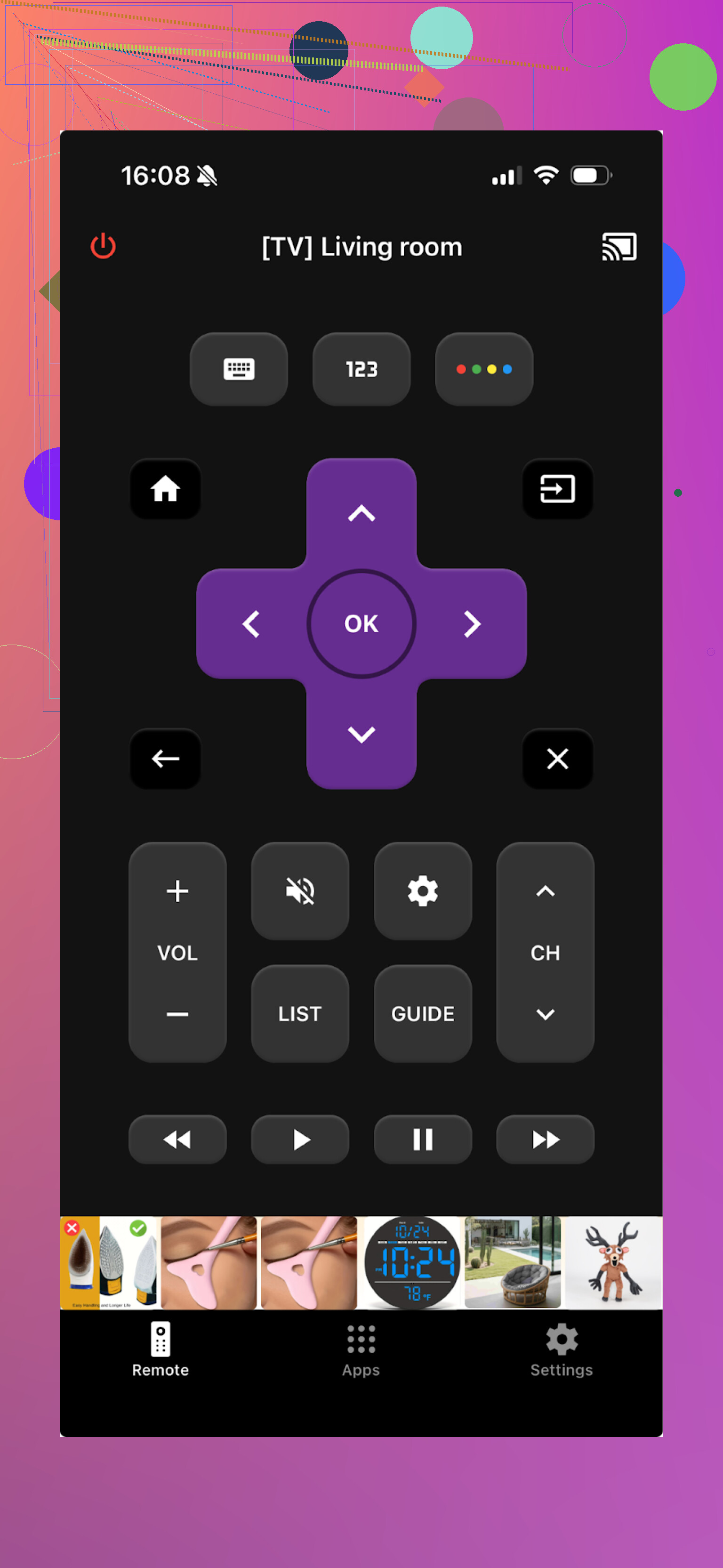
This one aims to cover the usual suspects: LG, Samsung, Sony, Vizio, Android TV and so on. It uses Wi‑Fi, so again, same network requirement.
Setup was straightforward. It spotted my Samsung and LG quickly. Features are more “classic remote” focused.
What I used:
• Channel and app switching
• Keyboard input
• Rewind, play, pause, etc.
Pros
- Finding and pairing with the TV was easy.
- Interface is cleaner than some others.
- All the basic functions work.
- Has a free trial.
Cons
- Ads in the free plan, removable if you pay.
- Many buttons trigger upgrade prompts, so the free experience is limited.
Price: from $4.99 and up
Link: TV Remote - Universal App - App Store
Verdict
I tried the trial, so I saw the full feature set. Performance was mostly fine, slight lag on the main screen sometimes. Biggest issue is the usual one: lots of features trapped behind paywalls plus ads sprinkled everywhere in the free mode.
PART 2: ANDROID TV REMOTE APPS
Android side is a different story. There are more options, but most of them are drowned in ads. My wife uses Android, so I tested these on her phone and my own backup Android.
Apps tested:
Universal TV Remote Control
Remote Control For All TV | AI
Universal TV Remote Control (Unimote)
Another Universal TV Remote Control with similar name but different dev
Universal TV Remote Control
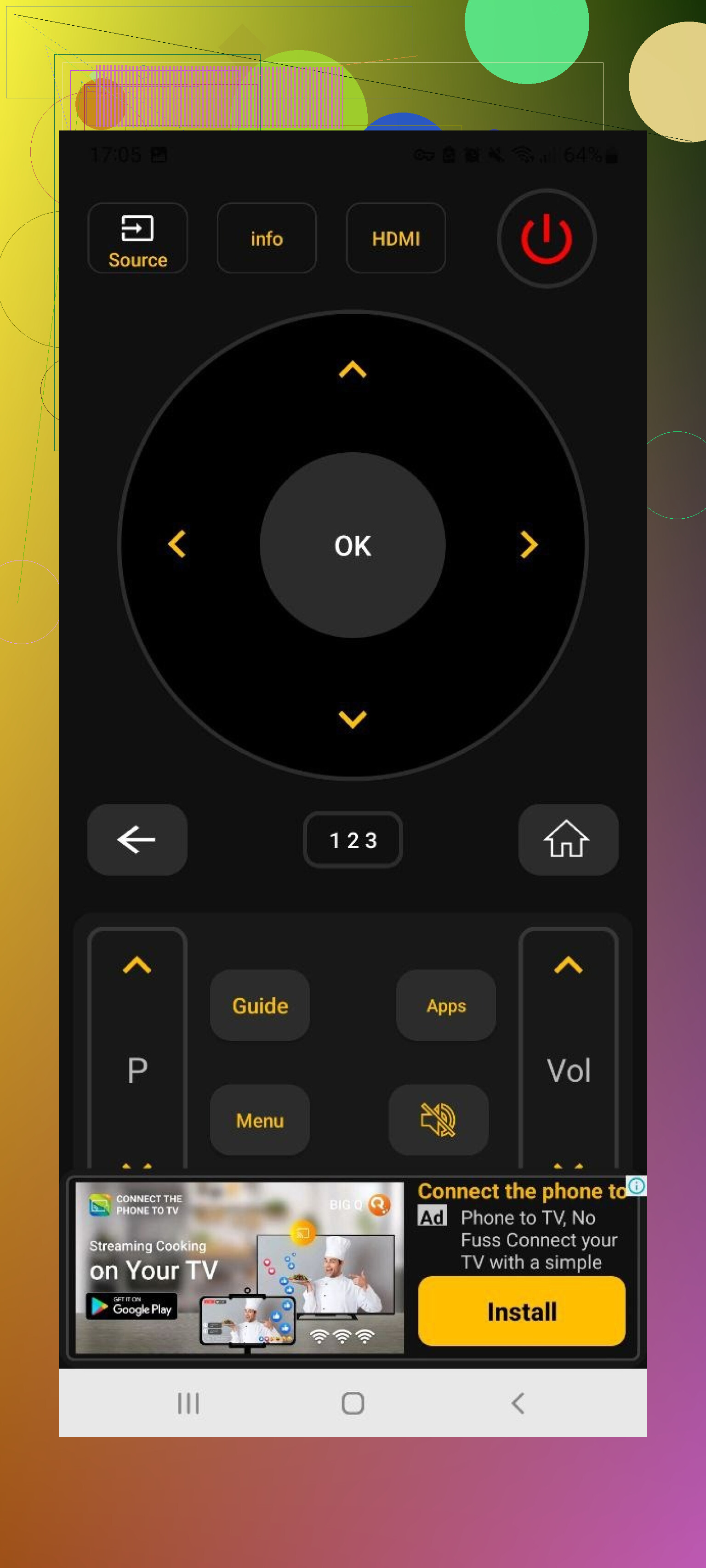
This one is made by Codematics.
It supports Sony, Samsung, LG, Philips, TCL, Hisense, Panasonic and a big list of others. It connects over Wi‑Fi, and if your phone has an IR blaster, it can also act as a classic infrared remote.
Features that looked good on paper:
• Trackpad style navigation
• Voice search
• App control
• Built‑in keyboard
Pros
- Works with a lot of different TV brands and devices.
- Supports both Wi‑Fi and IR mode.
- All main remote features are free.
Cons
- Ad quantity is out of control. Some full‑screen ads did not show a close button for several seconds.
- The app crashed often, forcing me to reconnect to the TV.
Price: free
Link: https://play.google.com/store/apps/details?id=codematics.universal.tv.remote.control&hl=en
Verdict
At first I thought I found a great free Android remote. Then the ad spam started. After a few crashes and forced reconnects, I gave up. If you have a high tolerance for ads, you might still like it, but I would not recommend it for daily use.
Remote Control For All TV | AI
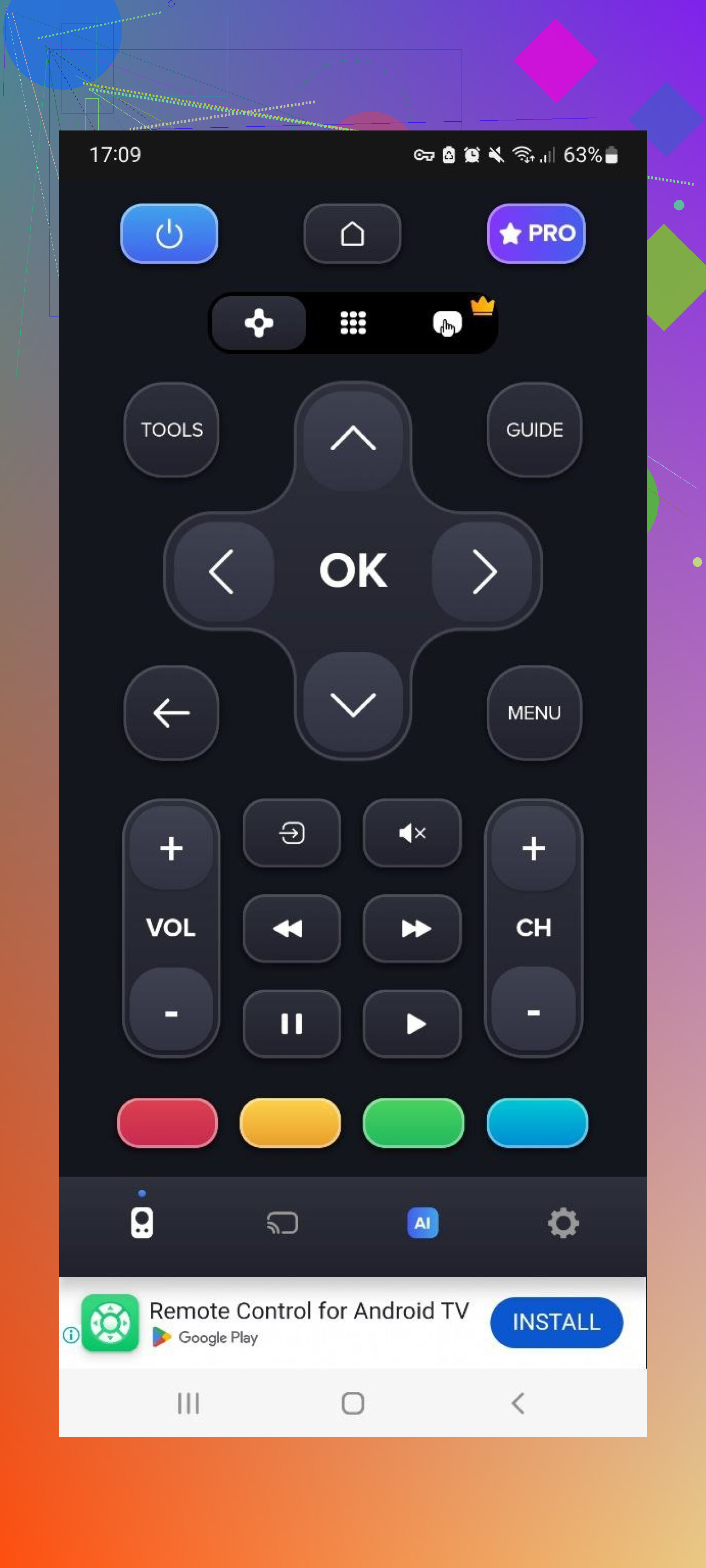
This one tries to sell the “AI” angle. In reality, the free tier is a basic remote plus a wall of ads.
It works over Wi‑Fi with many brands. It found my TV, but the detection process took longer than the other apps, sometimes 20–30 seconds.
Free version:
• Basic buttons for volume, channels, simple navigation
Paid version unlocks:
• Ad removal
• “AI assistant” features
• Keyboard with voice input
• Screen mirroring
Pros
- Works with many TV brands.
- Basic controls are available without paying.
Cons
- Lots of ads in the free mode.
- Slow TV detection compared to others.
- Most useful stuff is paid.
Price: from $4.99 and up
Link: https://play.google.com/store/apps/details?id=com.sensustech.universal.remote.control.ai
Verdict
If all you need is volume up and down and some basic navigation, the free tier works. For daily use, the long connection time and locked features made it a “meh” option for me.
Universal TV Remote Control (Unimote)
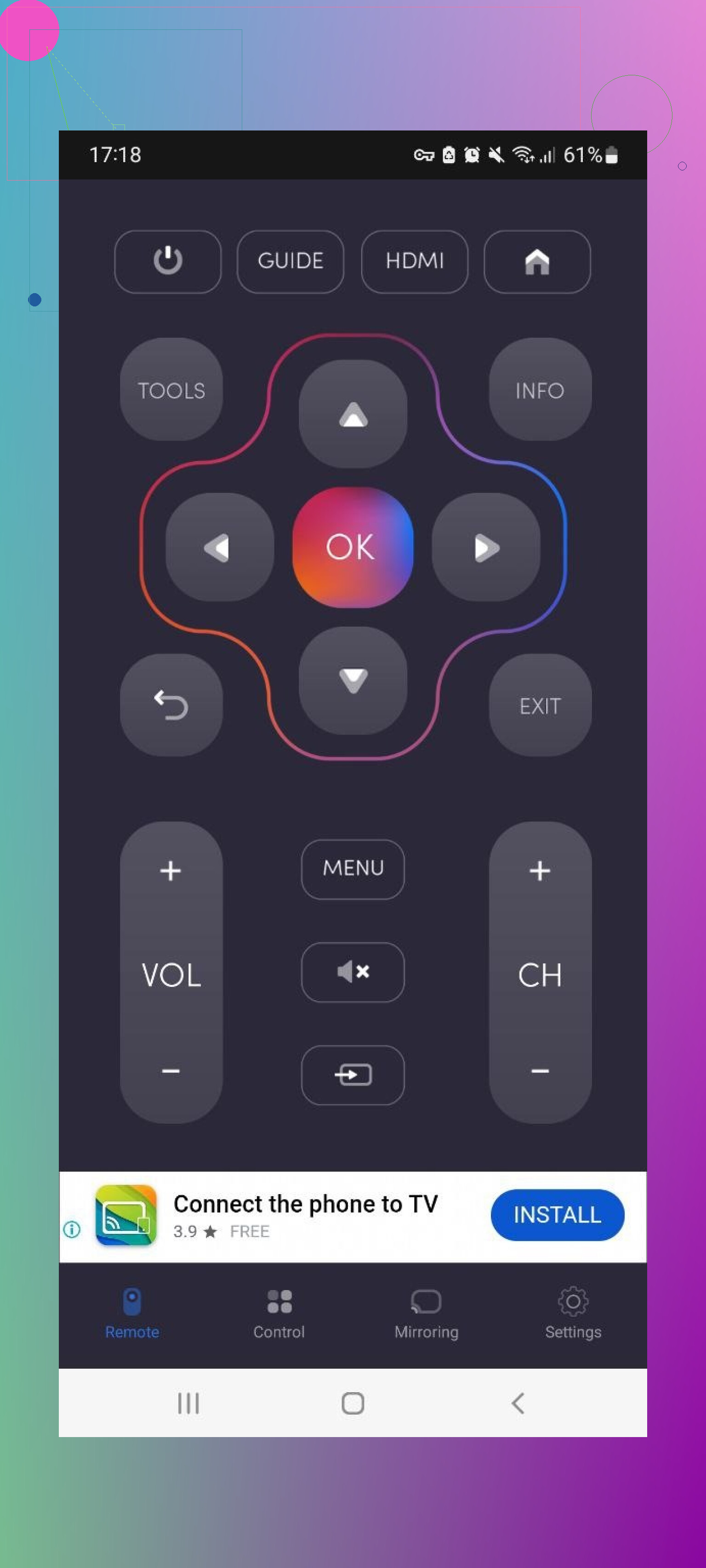
Unimote tries to be a universal solution. It supports Wi‑Fi and IR if your phone has the hardware.
On the good side, it found my TV quickly on the network. On the bad side, actually connecting took several attempts a few times. After it finally connected, it kept blasting full‑screen video ads.
Pros
- Simple interface, not overloaded with buttons.
- Can work with both Wi‑Fi TVs and IR.
Cons
- Heavy ad load. Full‑screen videos show up very often.
- Free version is stripped down. Many things are locked behind in‑app purchases.
- Connection dropped randomly a few times.
Price: from $5.99 and up
Link: https://play.google.com/store/apps/details/Controle_Remoto_TV_Universal?id=sensustech.universal.tv.remote.control&hl=uk
Verdict
I see this more as a backup app. If your main remote dies and you need a quick solution, it works. For daily use, the connection instability plus ads make it hard to recommend.
Universal TV Remote Control (different dev, similar name)
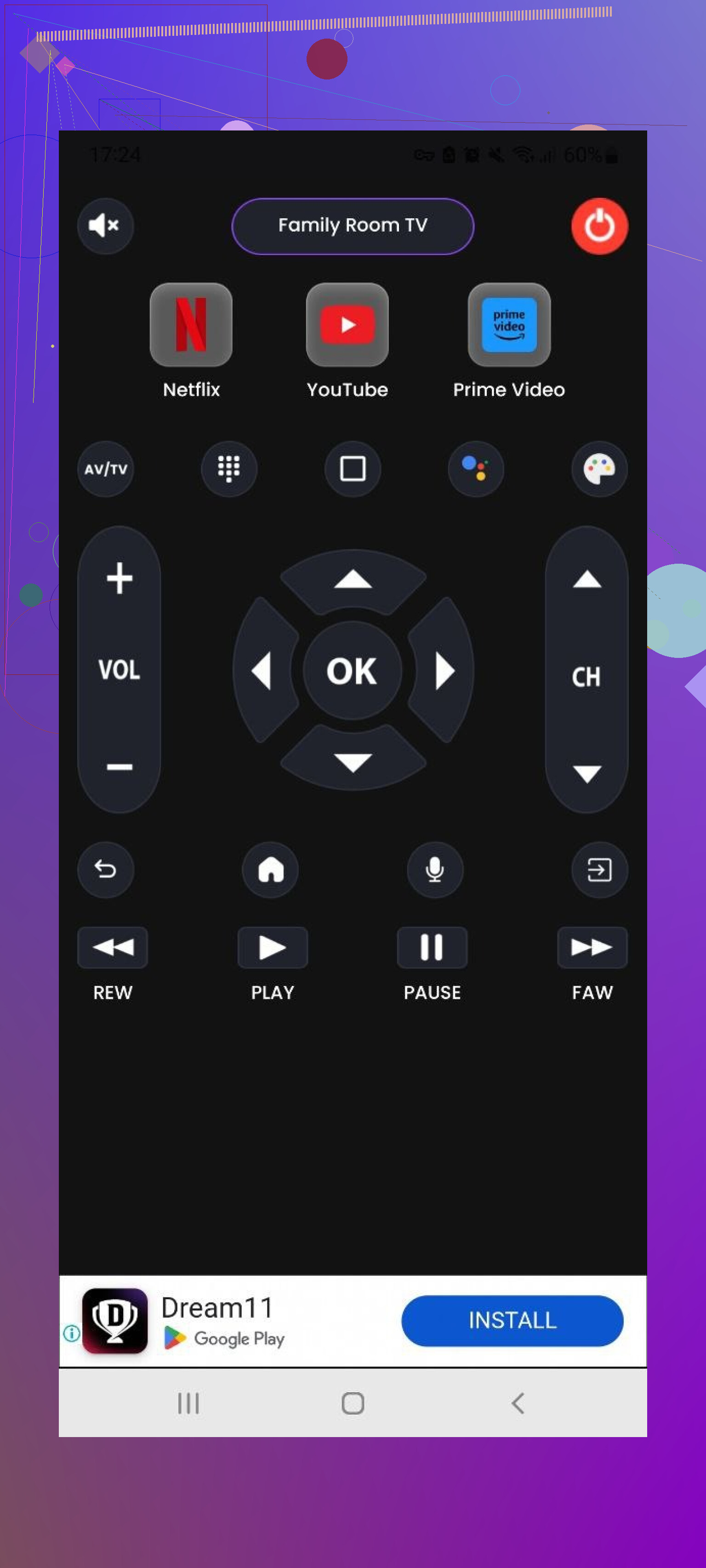
This last Android app supports LG, Samsung, Sony, TCL and others, with Wi‑Fi and IR options.
Main features:
• Generic remote screen with power, navigation, and basic playback
• Home/Menu button to jump around TV menus
• Play, Stop, Back, Forward
Pros
- Covers the basics for most TVs.
- Has a free trial.
Cons
- Ad spam again. It breaks the flow.
- A lot of functions are tied to paid plans.
Price: from $3.99 and up
Link: https://play.google.com/store/apps/details?id=com.uzeegar.universal.smart.tv.remote.control&hl=uk
Verdict
If you pay, you get a usable remote with all standard features. If you stay on free, you deal with ads and locked options. I dropped it after the trial.
PART 3: MAC APPS TO CONTROL YOUR TV
This part surprised me. Using your MacBook as a TV remote sounds weird at first, but it turned out handy when I was already working on the laptop and the physical remote was somewhere in the room, probably under a blanket.
TVRem Universal TV Remote (Mac)
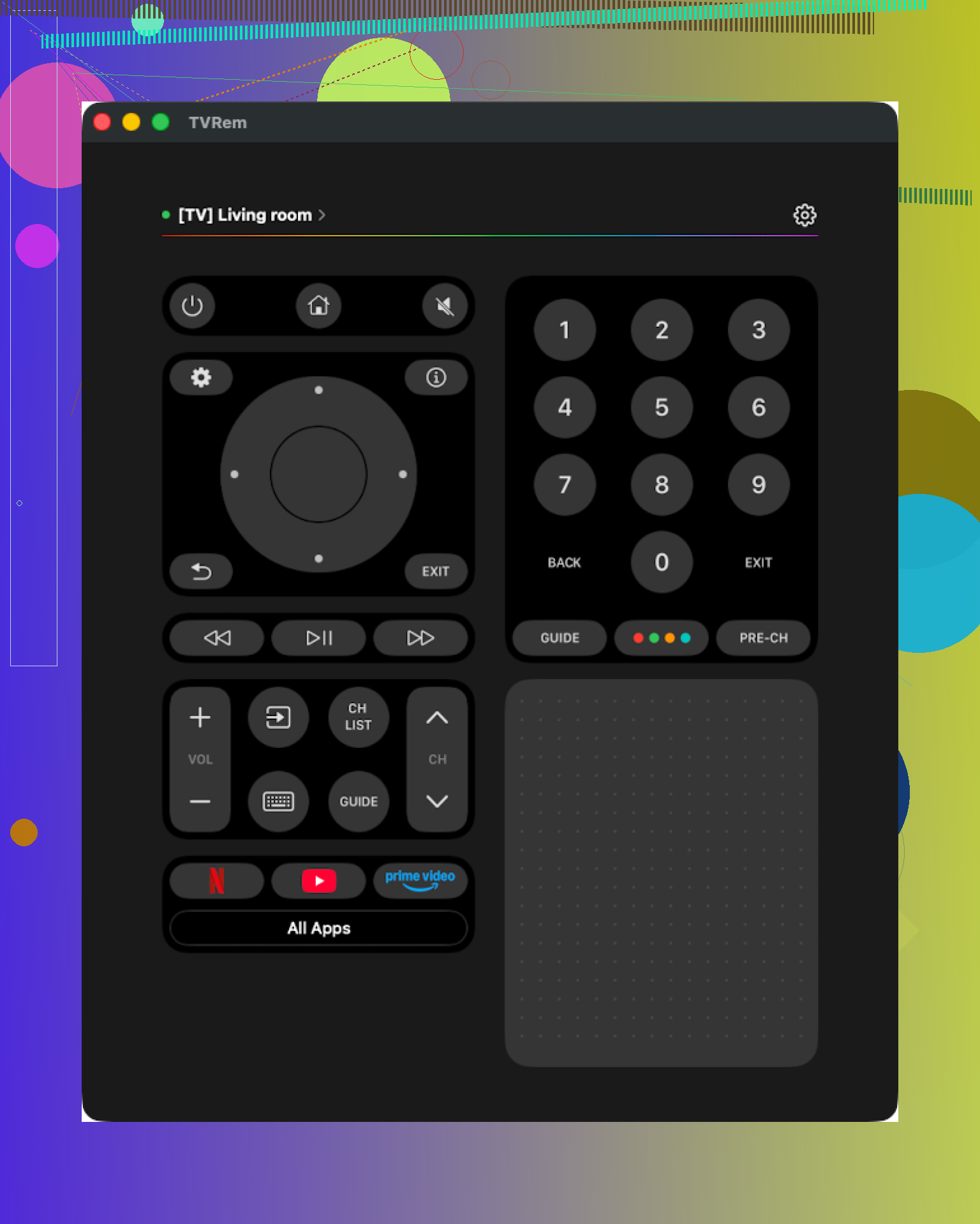
Same name as the iPhone app, also in the Mac App Store.
I tested it with a Samsung TV. Connection was quick, the interface is minimal, and it did not require a manual.
Features I used:
• Touchpad for navigation
• Keyboard input from my Mac
• App launcher on the TV
• Standard remote controls
Pros
- Clean interface, easy to understand.
- No ads or hidden “pro” tiers.
- Works with many TV brands.
- All core features for everyday use are there.
Cons
- No Vizio support again.
Price: free
Link: TVRem Universal TV Remote App App - App Store
Verdict
If you like controlling your TV from your Mac, this is a nice free option. Same story as on iPhone: no ads, no random paywalls, only missing piece is Vizio.
TV Remote, Universal Remote (Mac)
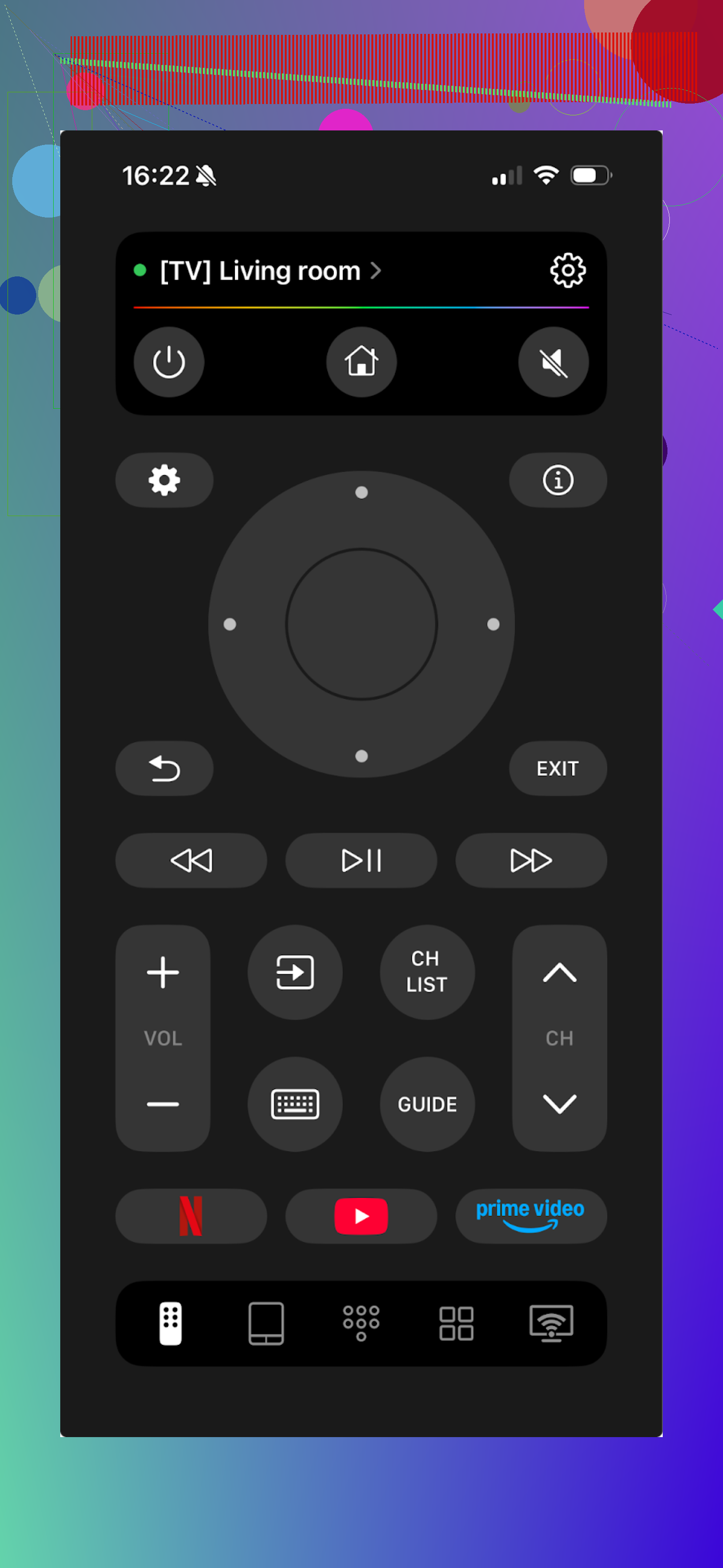
Another Mac App Store remote. According to its page, it supports a lot of brands.
My experience:
It found my TV quickly, connected, and the interface looked decent. After a while, it crashed. Relaunched, worked, then crashed again another day.
Most of the nicer features want payment. The free tier is more like a trial window.
Pros
- Interface is okay, not confusing.
- Basic functions worked for my Samsung.
Cons
- Many of the better options are locked behind payment.
- Occasional crashes.
Price: from $4.99 and up
Link: TV Remote, Universal Remote App - App Store
Verdict
If you are fine paying and do not mind the occasional restart, it does the job. I personally stuck with TVRem because it stayed stable and free.
PART 4: PHYSICAL REMOTE VS REMOTE APP
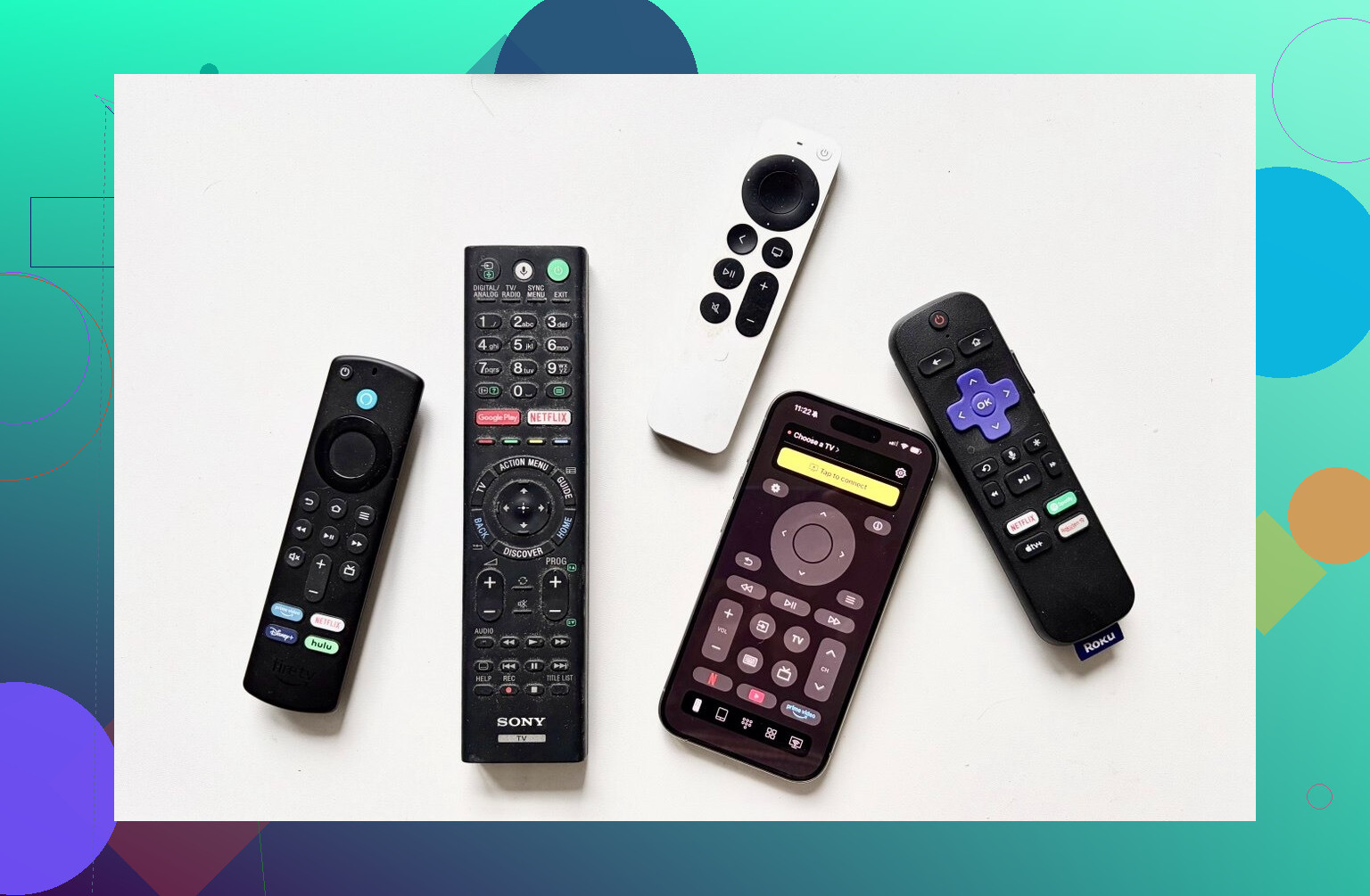
Quick comparison based on actual use, not theory.
Physical remote
The plastic one that ships with your TV or you buy from Amazon when your kid spills juice on the original.
Remote app
Software on your phone, tablet, or laptop that talks to your TV over Wi‑Fi or Bluetooth, or IR if your phone supports it.
Why I started preferring remote apps
-
Harder to “lose”
My phone is always near me. The TV remote ends up in the kitchen, under pillows, or in some random drawer. Using the phone as a remote means I no longer spend time looking for a separate device. -
Typing does not feel like torture
Typing email and passwords using arrow keys on a physical remote is slow. With an app keyboard, I type at normal phone speed. On some apps, touchpad and keyboard together make navigating streaming apps faster. -
Cost
Remote apps are often free or cheaper than replacement physical remotes.
Example prices I checked on Amazon recently for 2019–2025 models:
• Samsung replacement remotes around 15–20 USD
• LG replacement remotes roughly 13–35 USD
If a free or low cost app does the same job, it is the cheaper route, especially if you own more than one TV.
-
Multiple TVs from one place
With physical remotes, I had one per TV. With some universal apps, I switch between my Samsung and LG from the same phone screen. Less clutter in the living room, fewer batteries to replace. -
Interface
Some TV remote apps have cleaner layouts than the original remotes, which often include a lot of buttons I never touch.
Limitations I ran into with apps
• Wi‑Fi or Bluetooth needed
If the TV and phone are not on the same network, the app usually will not talk to the TV. If the router glitches, the app control drops. Some TVs also go into a “deep sleep” state that blocks remote apps until you wake them with the physical remote or a power button.
• You depend on your phone
If your battery is low, or you are on a call, or someone else is using the phone, your remote is “busy”. Also, if kids play games on your phone, accidental volume spikes can happen.
• Incomplete features on some models
On a few older TVs only basic controls worked in apps. Stuff like input switching or advanced settings stayed locked to the physical remote.
WHAT I PERSONALLY ENDED UP USING
I tested more apps than I listed here, but most of them were too similar or too spammy to bother writing about.
My personal picks:
On iPhone
• TVRem Universal TV Remote is the one I kept. Free, simple, covers my daily use on Samsung and LG. Touchpad and keyboard are the main reason I did not go back to the plastic remote. Lack of Vizio support is the only big limitation I saw.
• TV Remote – Universal was my “maybe buy later” pick. Trial looked good, but the upsell behavior annoyed me enough that I stayed with TVRem.
On Android
My wife uses Android. She settled on Universal TV Remote Control (the Codematics one). I am not a fan of the ad spam there, but to be fair:
• It works with both Wi‑Fi and IR
• It controls all our TVs
For her, function won over annoyance. I still grumble every time a full‑screen ad shows up.
On Mac
• TVRem Universal TV Remote again. It is rare that the same name on both iOS and macOS is the one I keep using, but here it worked out. Using the Mac keyboard to search Netflix on the TV turned out more useful than I expected.
If you are tired of juggling plastic remotes, I would start with:
• iPhone or Mac: TVRem Universal TV Remote
• Android: test Universal TV Remote Control, but be ready to pay for an ad free alternative or switch if the ads drive you crazy
Try a couple on your own setup, because support varies a bit by TV model and year. Once you find one that connects reliably and does not nag you every 3 taps, you will probably stop picking up the physical remote except when Wi‑Fi dies.
41 Likes
Short version. Since you already wasted money on two duds, I’d skip most of the cheap “universal” remotes and go with stuff that is known to work across TV + soundbar + streaming box.
First thing. Decide if you want a real physical universal remote or to use your phone like @mikeappsreviewer does with apps. Since you mentioned multiple devices and frustration, I’d lean hardware. Phone apps are ok for a single smart TV, not great as the main hub for a whole setup.
Here are options that tend to work and why.
-
Best all around physical remote for mixed gear
• Sofabaton U1 or U2
• Controls up to 15 devices
• Uses IR plus Bluetooth on U2, so it handles most TVs, soundbars, Apple TV, Fire TV, Roku, etc
• You program it through their phone app, but after setup it is a normal physical remote
• Has macro style “activities”, so you press one button and it turns on TV, switches soundbar input, selects HDMI on the TV
• Price is usually around 50 to 80 USD, way less than rare used Logitech HarmonyWhy it fits you
• You want one remote for TV, soundbar, streaming box
• You already tried random Amazon remotes. Sofabaton is one of the few that people use as a Harmony replacement with success across brands. -
If you only use a streaming box plus TV
If your soundbar is on HDMI ARC or eARC, the remote from the streaming box often controls everything.Examples
• Apple TV 4K remote
TV power and volume through HDMI CEC, plus soundbar volume if the bar is on ARC or optical from TV
• Roku Voice Remote Pro
Similar deal, controls TV power and volume, and can often drive soundbar volume through the TV
• Fire TV remote
Handles TV power and volume for many brandsIf your TV supports HDMI CEC and your soundbar is connected properly, you press Home on Apple TV or Roku and you get TV + soundbar with one remote. Check your TV settings for CEC names, like Anynet+ for Samsung, Simplink for LG, Bravia Sync for Sony.
-
If you want phone control on top of a real remote
Here I disagree a bit with @mikeappsreviewer. Phone apps are fine for convenience, but I would not trust them as the only remote if you have several devices and family members using them.Practical combo
• Use Sofabaton U2 as the main remote
• Add a phone app only for text entry and quick navigation on the smart TV if you like that
• For iPhone or Mac, TVRem looks decent and clean, but it does not fix your whole multi device issue alone -
How to stop buying wrong remotes again
Before you order anything, write this down:
• TV brand + exact model
• Soundbar brand + model
• Streaming device type, for example Roku Ultra, Apple TV 4K, Fire Stick 4K, Nvidia Shield
Then check the remote’s support list for those three, not only the brand name.For Sofabaton U2, there is an online database inside the app. Search each model or at least the exact brand and series. If it is missing, do not buy.
-
Simple decision path
• If you want one stick that handles everything and do not care about apps much
Get Sofabaton U2
• If you mostly use Apple TV or Roku and your soundbar is ARC
Try using the Apple TV or Roku remote only, with HDMI CEC activated
• If you like phones as remotes
Use a physical remote as backup, add TVRem or similar for nice to have stuff
If you list your exact TV, soundbar, and streamer, I can tell you in pretty concrete terms which remote model to pick and what settings to change so they talk to each other.
You’re not crazy, the “universal remote” space is kind of a scammy jungle.
Quick take: if you’ve already burned cash on two cheap universals, stop buying the $15–$25 “works with everything!!!” specials. Those are basically lottery tickets with IR LEDs.
@himmelsjager is right to push you toward something Harmony‑class like Sofabaton, and @mikeappsreviewer covered the phone‑app angle really well. I’ll come at it from a slightly different angle: focus on how your stuff connects, not just the brand list on the box.
1. Figure out what you actually need to control
Write this down, for real:
- TV: brand + exact model
- Soundbar: brand + model
- Streamer: Apple TV / Roku / Fire TV / Shield / console etc
- How they’re wired:
- Soundbar via HDMI ARC/eARC from TV, or optical, or HDMI directly from streamer
- Streamer into TV HDMI, or into soundbar HDMI in
Why this matters:
If TV and soundbar use HDMI ARC, a lot of “magic” can be handled by CEC, so your universal remote does not have to do as much heavy lifting. If the bar is on optical and your TV is dumb with CEC, you need more direct control.
2. Real universal remote options that aren’t junk
Ignoring the dollar‑store universals, you’ve basically got three realistic hardware lanes:
A. Sofabaton U2: best “Harmony replacement” for most people
- Controls IR + Bluetooth
- Can handle up to ~15 devices
- Works great with:
- Most TVs and soundbars over IR
- Apple TV / Fire TV / some Rokus over Bluetooth
- Activity style macros:
- One button like “Watch TV” turns TV on, sets HDMI, powers soundbar, selects soundbar input
Why I actually like this one for you:
- You mentioned TV + soundbar + streaming in one go
- You already got burned by generic remotes, so you need something with a real device database and app‑based setup
- Once it’s set, everyone in the house can use it without a phone
Where I slightly disagree with @himmelsjager:
They’re right this is the best all‑rounder, but I’d say do not buy it blind. Before ordering, install the Sofabaton app, go to “add device,” and search your exact models. If any of the big three (TV, soundbar, streamer) is missing or super flaky, skip it.
B. OEM streaming remotes + CEC: works if your setup is simple
If your soundbar is on HDMI ARC/eARC and your TV actually supports CEC properly:
- Apple TV 4K remote can:
- Turn TV on/off
- Control volume through TV or soundbar
- Roku Voice Remote Pro or Fire TV remote similar story
So in some systems, the “universal remote” is literally the streaming remote + correct CEC settings:
- Turn on CEC in TV menu:
- Samsung: Anynet+
- LG: Simplink
- Sony: Bravia Sync
- Make sure soundbar is on ARC/eARC HDMI port, and its CEC/audio return setting is on
Where I don’t fully agree with @mikeappsreviewer:
They lean toward apps to avoid plastic remotes. Nice for one smart TV, but once you start mixing in a soundbar and external streamer, relying on just a phone app gets annoying fast, especially for other people in the house.
C. Higher‑end / niche options
If you’re a bit techy and want something more future‑proof than Sofabaton:
-
Broadlink RM4 Pro + cheap simple IR remote
- RM4 Pro sits in the room and blasts IR / some RF
- You program scenes like “Movie” that power up everything
- Then:
- Use your phone or
- Map it to a small, dumb remote or smart buttons
-
Hub‑style setups (YIO / Unfolded Circle etc)
Great but more hobbyist, not for “I’m already tired of this” folks.
3. Why the remotes you bought probably sucked
Common gotchas with the “universal” bricks:
- Only IR, no Bluetooth
- So they can’t properly control Apple TV, Fire Stick, newer Rokus, PS5, etc
- No concept of “activities”
- You end up manually turning stuff on/off and switching inputs every time
- Tiny or outdated code database
- Supports “Samsung TV” but not your specific year or series, so half the buttons do nothing
If the remotes you tried:
- Couldn’t see your streamer at all
- Couldn’t change soundbar volume reliably
It’s usually IR‑only plus lazy firmware.
4. Phone apps: use them as a sidekick, not the hero
@mikappsreviewer did a solid breakdown on iOS / Android / Mac apps. My take:
- Use phone apps for:
- Text entry (login screens, search)
- Occasional control when remote is in the couch void
- Do not rely on them as your only universal controller when:
- Router glitches
- TV goes into deep sleep and won’t wake by WiFi
- Someone else walks off with the phone
Also: a lot of TV apps control only the TV, not the soundbar or streamer directly, which does not solve your “one remote to rule them all” requirement.
5. Concrete next steps so you don’t waste a 3rd purchase
-
Post or check:
- TV brand + model
- Soundbar brand + model
- Streaming box model
- How each cable is connected
-
Before buying:
- Install Sofabaton app
- Search those three devices
- Confirm you see working profiles (test codes if possible)
-
If all show up:
- Buy Sofabaton U2, set up:
- Activity “Stream”:
- TV on, HDMI X
- Soundbar on, input to TV/HDMI/ARC as needed
- Streamer on
- Activity “Stream”:
- Turn on CEC everywhere so some things “just follow” even if a command fails
- Buy Sofabaton U2, set up:
-
If one key device is missing from the Sofabaton database:
- Consider using the streaming remote + CEC combo as the main remote
- Keep a cheap universal or OEM bar remote only for rare settings
Drop your exact models and wiring and you can get a yes/no on Sofabaton vs “lean on CEC and a streaming remote” in like one reply instead of burning money a third time.
You are stuck between two worlds: “real” universal remotes like Sofabaton (as @himmelsjager focused on) and pure phone‑app control like @mikeappsreviewer’s TVRem deep dive. @reveurdenuit is right that Harmony‑style activity logic is nice, but there is a middle path that actually works for TV + soundbar + streaming without overcomplicating this.
Instead of repeating their advice, I’d look at a hybrid setup:
- Use a physical universal remote with solid device coverage to handle TV power, input switching, and soundbar volume.
- Use a phone app to handle the annoying bits only, mainly typing and app navigation.
That way, if the Wi‑Fi or app flakes out, you still have a normal remote in your hand that does 95% of what you need.
Where I slightly disagree with the others:
- Relying solely on a Harmony‑style remote like Sofabaton can be overkill if your soundbar is on HDMI ARC and your streamer already comes with a half‑decent remote. Too much setup for not much gain.
- Relying entirely on apps, as in @mikeappsreviewer’s workflow, is annoying when someone else needs to use the system or your phone is in another room.
Since you explicitly want “a reliable universal remote that can control TV, soundbar, and streaming,” prioritize:
- IR + Bluetooth support, so you can reach both classic AV gear and things like Fire TV or Apple TV.
- Built‑in activity / macro buttons, so you press one thing to get “Watch Streaming” rather than a 6‑button ritual.
- Real device database plus learning mode, so if your soundbar is obscure you can still teach commands.
A good example of that approach is a hardware remote that is set up to focus on three consistent actions:
• Power toggles for system on/off (TV + soundbar + streamer)
• Volume bound permanently to the soundbar
• Direction / OK / back / home bound to the streaming box
Then you pair that with a clean app like the TVRem Universal TV Remote on iPhone or Mac for:
- Fast text entry in Netflix / Prime / Disney
- Occasional navigation when the plastic remote has gone walkabout
Pros for using TVRem Universal TV Remote in that hybrid role:
- Free and not bloated with ads or popups, unlike a lot of competing apps @mikeappsreviewer tested
- Very simple interface so non‑techy people in the house can still use it
- Good support for big brands like Samsung, LG and Sony
Cons for TVRem Universal TV Remote:
- No support for some brands like Vizio, which is a deal breaker if your main TV is one of those
- App‑only solution cannot usually control a separate soundbar or older “dumb” streamer the way a true universal hardware remote can
- Still depends on Wi‑Fi and the TV’s own network stack, so occasionally you have to fall back to the physical remote anyway
Compared with what @himmelsjager and @reveurdenuit are leaning toward, this is less “one device to rule absolutely everything” and more “one well‑set‑up remote plus one very low‑friction app.” In practice, that tends to be less fragile and a lot closer to what you are asking for: one thing you can reliably grab to watch TV, with your phone/laptop remote as an on‑demand upgrade instead of a single point of failure.
Try your TV’s original remote before buying anything else. Many Samsung, LG, and Sony TVs include a built-in universal control setup.
Open Settings, then External Devices or Universal Remote Setup. Add your soundbar and streaming box. Connect both through HDMI, then enable CEC. Test power, volume, input, Home, and Back.
This keeps one familiar remote, avoids apps, batteries for extra remotes, and messy programming. If commands fail, buy the exact OEM replacement for your TV model. It’s often $15 to $35 and works with the TV’s device-control features. Simple, cheap, less setup hassel.
Whatever you buy, expect the soundbar volume to be the part that fights you. TV power and input switching are the easy wins. Getting one remote to reliably raise and lower the soundbar without lag or double commands is where most of these setups quietly fall apart, especially if the bar talks to the TV over optical instead of ARC.
@infinitebot9904 has the right instinct about trying CEC first since it costs nothing, but I’d temper the optimism. CEC across three different brands is hit or miss. It works beautifully until a firmware update flips a setting, or one device wakes up and grabs the HDMI input on its own. If your gear happens to play nice, great, you might not need to spend anything. If it doesn’t, you’ll chase ghosts for a week before giving up. So test it for a few days before you decide CEC is your answer, not a five minute check.
The Sofabaton advice from @himmelsjager and @reveurdenuit is solid for your case, and I’d lean the same way since you specifically want soundbar plus streamer plus TV in one hand. Just go in knowing the setup is an afternoon, not five minutes, and the learning mode is your safety net if your soundbar model isn’t in the database. On the app side, TVRem is fine as the couch-cushion backup for typing passwords, but it won’t touch your soundbar or a dumb streamer, so treat it as a convenience layer and nothing more. Match the hardware to your actual wiring first, then add the app if you feel like it.