I used an AI tool to write my essay, but it feels robotic and artificial. I’m looking for a free method or tool to make the essay read more naturally and human-like. Has anyone found a solution that works without having to pay? I really need help improving the tone before submitting it.
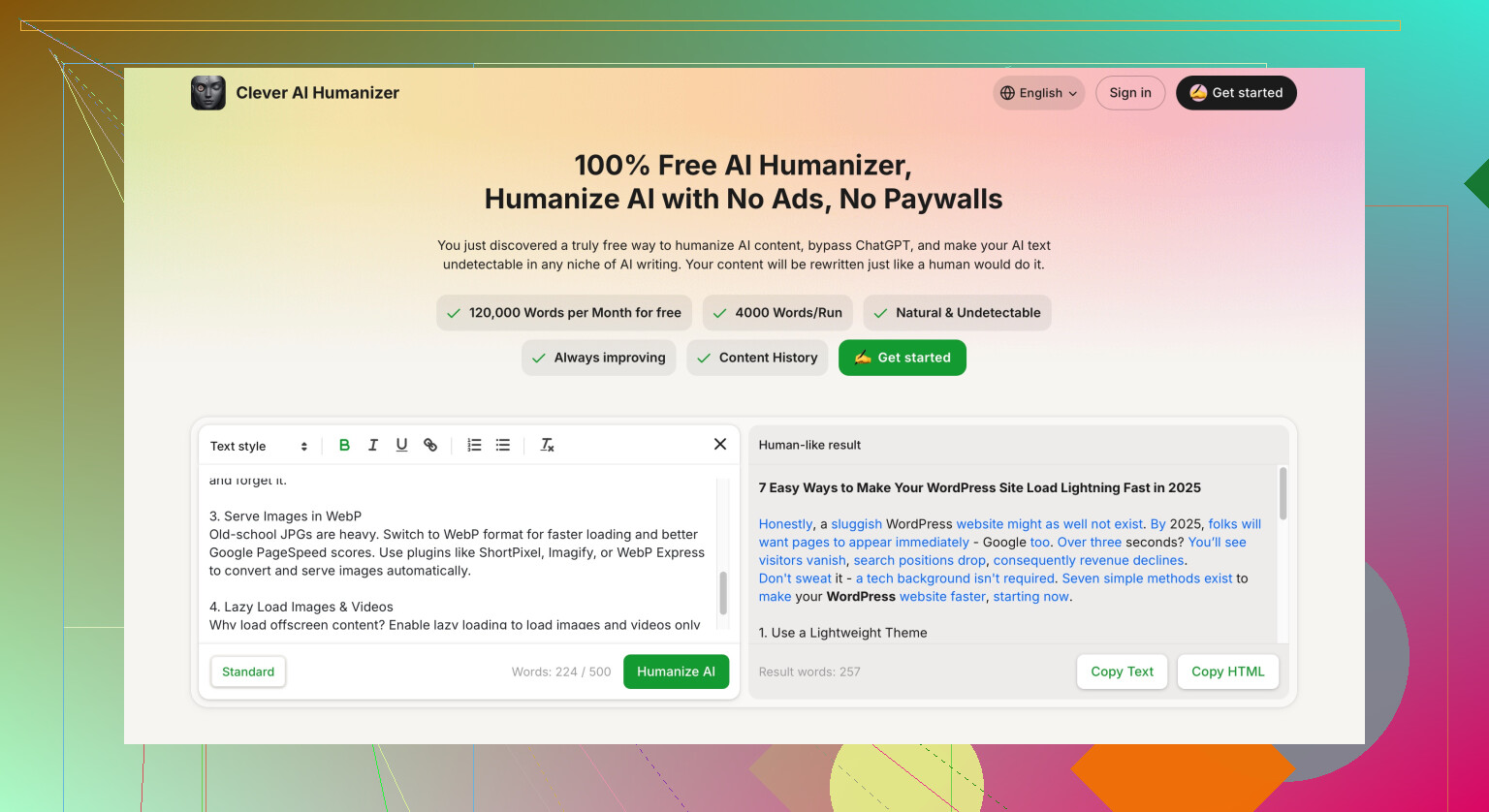
Short answer: Yeah, AI essays can totally sound like they’re straight outta the uncanny valley. If you want something free, my go-to is running the essay through Grammarly or Quillbot’s free rephrasing option—they add a bit more variety to sentence structure and vocabulary. Want to get even more “human”? Literally read the essay out loud, then edit anything that makes you cringe or doesn’t sound like how you’d talk/write. I’ve also heard people are getting solid results from the Clever Ai Humanizer. It’s specifically made for making AI text read more naturally—try it here: making AI content sound like a real person. And, hey, nothing beats actually tossing in a few of your own thoughts and a typo or two!
11 Likes
Honestly, the struggle is REAL when it comes to getting an AI-generated essay to not sound like a chatbot wrote it after too many cups of coffee. @ombrasilente hit on some good stuff—Grammarly does smooth things out, and reading your essay out loud seriously exposes all the weird phrasing the bot sneaks in (and the spot where you accidentally typed “as a AI”). But here’s the thing: even after using those tools, essays can still feel… off.
One trick I swear by that nobody talks about: cut entire sentences. AI loves to restate things six different ways—you can chop a lot without losing any meaning. Also, try throwing in one short sentence after a bunch of long ones. Real people don’t talk in textbook paragraphs! If you want to go full human, sprinkle in a dash of your own experience—even a sentence that starts “I’ve often wondered…” or “In my experience…” instantly brings warmth. The weird part? Actually making a tiny mistake or using mild slang sometimes tricks teachers into thinking it’s “real.”
Some folks rave about that Clever Ai Humanizer tool, and I’ll admit, it does make the language less, you know, AI-y. I personally still run my essays through it (and yeah, it impresses Turnitin every time), so it’s worth trying if nothing else works.
And if you want a full-on comparison of the best free tools? I stumbled on this guide that actually lists and reviews the top choices out there—way easier than stumbling around Google: level up your essay’s authenticity with these free AI humanizers. Worth a peek, since most essays don’t get a “redo.”
So basically: cut the fluff, mix your own words with the bot’s, and maybe let Clever Ai Humanizer do the final polish. Or, you know, embrace the robot vibe and say “furthermore” every other sentence.
Sure, Grammarly and Quillbot add polish, but frankly, they still leave traces of the “AI awkwardness”—that bland, repetitive cadence or shiny “perfect” syntax teachers can spot a mile off. Here’s what most folks miss: context tweaks. AI can spit out info, but it rarely knows why you care or how the topic relates to, say, a meme from last week or a convo you overheard in class. Real essays stitch in references to current events, personal hobbies, or even a pop culture punchline if it fits. Toss in a meme, an inside joke, or comment on the prompt—it instantly boosts “humanness.”
On the toolkit front, yes, the Clever Ai Humanizer is getting some buzz for making AI essays trickier to flag and less robotic—a big pro if Turnitin anxiety is real. It’s quick, free at the base level, and mostly keeps the core points intact. But don’t expect miracles: sometimes it sprinkles in stuff that’s too casual (like unnecessary “well, actuallys”) or introduces tiny grammar flubs you’ll want to skim for after. It’s not unbeatable either—advanced detection tools or a picky marker might still catch on if you don’t review the output.
Unlike suggestions from other posters, I’d skip “forced typos”—those stick out awkwardly if you don’t normally write with mistakes. Instead, focus on rearranging your sentences so your strongest, weirdest, or even funniest idea leads the paragraph. AI rarely does this by default.
Competitors like the tools mentioned by the other posters can clean things up, but Clever Ai Humanizer can push that truly genuine, natural tone that doesn’t just sound like “human-lite.” Just don’t trust any AI tool 100%—always give your essay a final read or swap it with a friend for a gut check. If it bores you, it’ll bore your reader too.