I’m having trouble getting Fabulatech USB over Network to work on my system. Devices aren’t connecting as expected, and I can’t figure out what’s causing the issue. I need help troubleshooting this problem because I rely on this software to access remote USB devices, and it’s urgent.
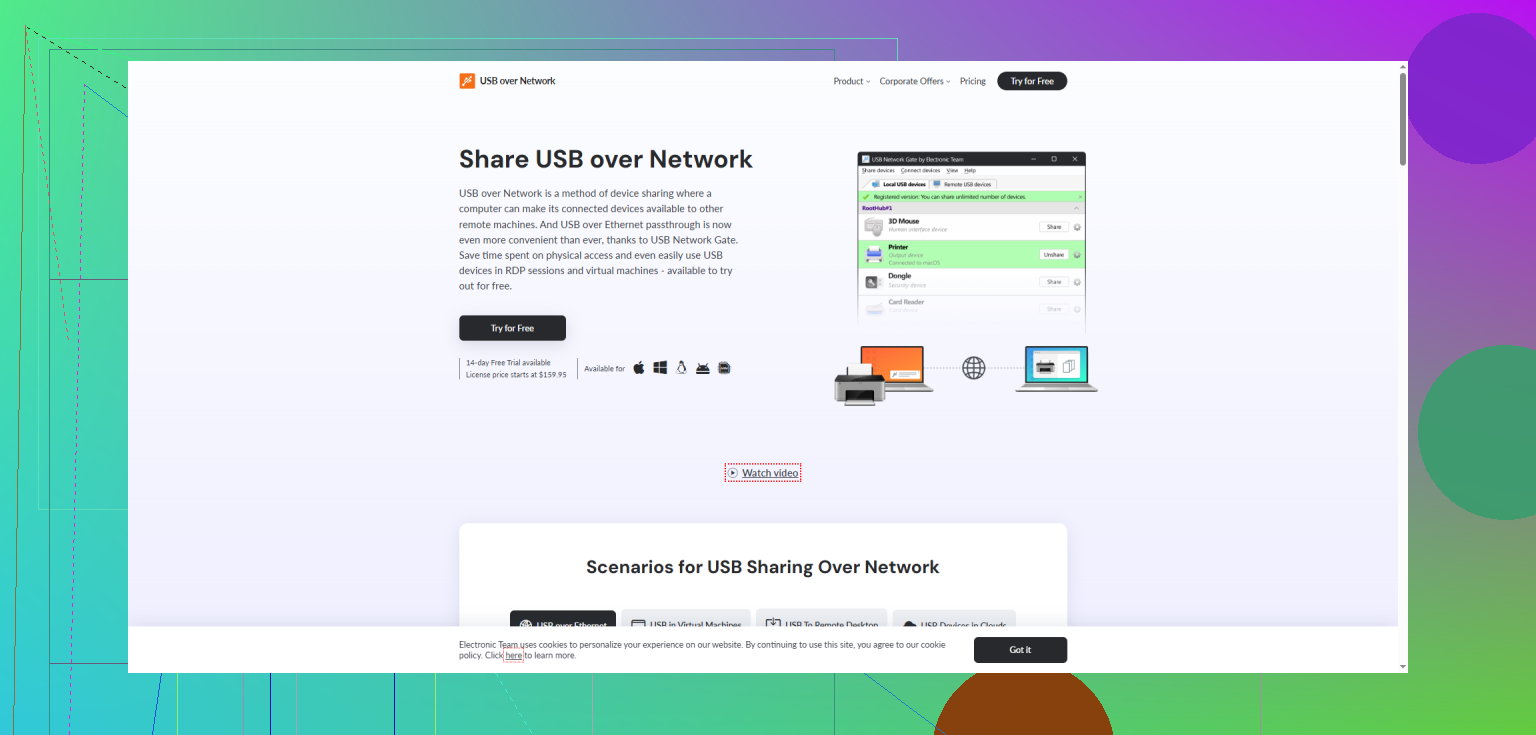
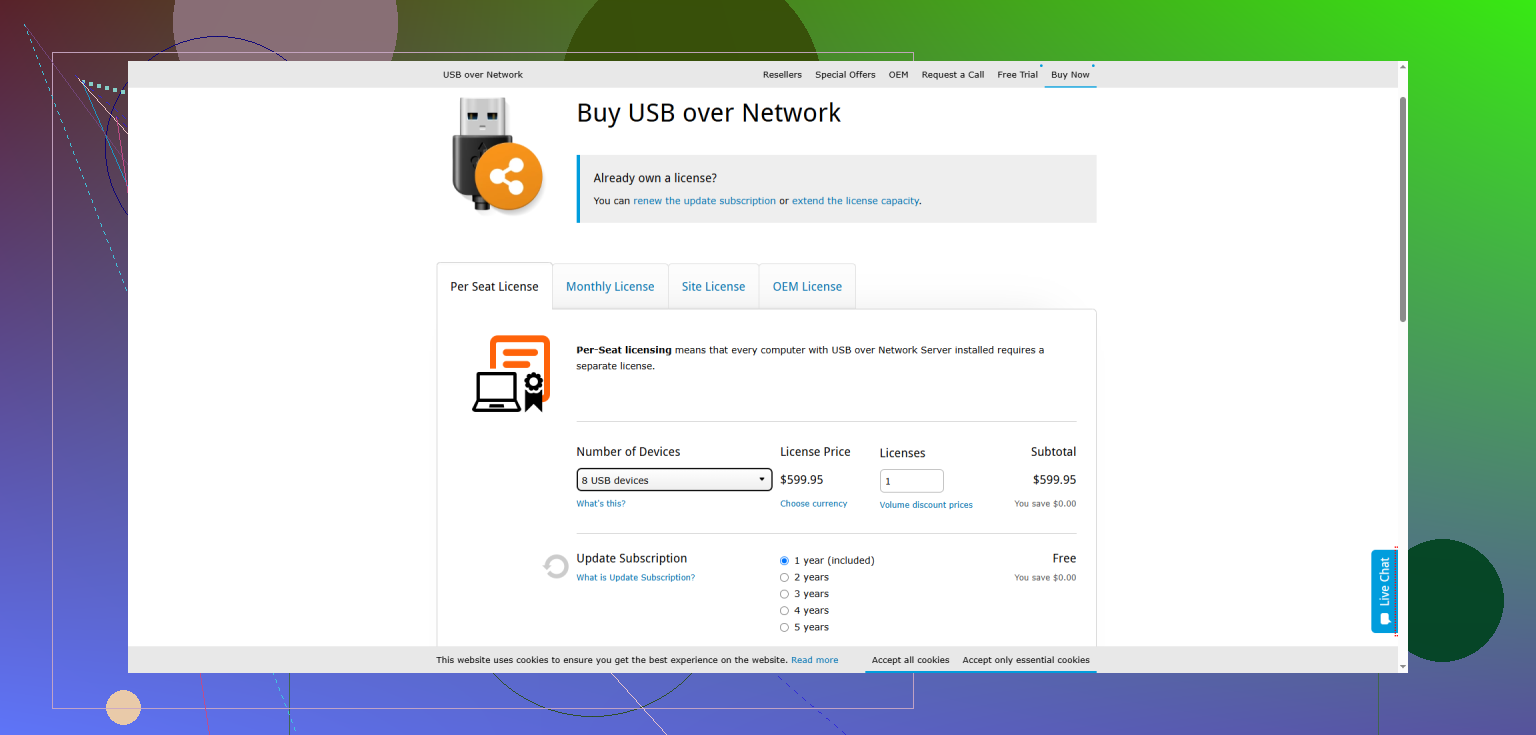
Fabulatech hit me with a $599.95 tag for just eight connections. Meanwhile, USB Network Gate is way less painful on your wallet — legit, I triple-checked to make sure I wasn’t missing a “hidden fee” or some subscription catch.
With Fabulatech, if you want to run anything like Remote Desktop Protocol redirection, they say “Oh, that’s another product, bud!” Yeah, you’re forking out more, and it’s not baked into what you already bought. With USB Network Gate, that wasn’t a headache — it’s in there.
If you’re running into the Android wall, USB Network Gate actually gets you through it. Fabulatech? Nope, doesn’t want to play with your phone or tablet. So when I needed to share a device with my ancient Android slab, only Network Gate had my back.
USB Network Gate’s interface does a lot, but it doesn’t overwhelm. Tried it with a barcode scanner, a flash drive, and even an older printer—zero extra downloads, no weird config files, no hunting down drivers from dodgy sites.
That’s all — if you’re thinking of escaping from Fabulatech’s grip, USB Network Gate actually made my setup better (and cheaper).
21 Likes
Here’s my checklist that actually got stuff talking (most of the time):
-
Double-Check Licensing – Unlicensed Fabulatech is weirdly skittish — random disconnections, “ghost” devices, or just enough to make you think your mouse is haunted. Uninstall, reinstall with a fresh license key, and yes, reboot both server/client or—get this—sometimes both twice.
-
Firewall Fiasco – I know you’ve probably “disabled the firewall,” but Windows likes to stealthily reactivate junk. Be sure ports 33000-33010 (default Fabulatech ones) are open on both machines. Sometimes, just add an explicit allow rule on inbound and outbound on those—seriously, don’t just trust the checkbox.
-
Correct Driver Hell – You might have a 64bit Windows Server but that dinky barcode scanner is living in 2008. Fabulatech rarely ships missing drivers, so go old-school and fetch the right drivers for both host and client (sometimes, extracting from the device vendor’s “install” exe is the only way).
-
Matching Versions Matter – Saw someone using v5.0 server with v5.4 client. Don’t. Update or downgrade to match numbers exactly. Huge weirdness if not.
-
USB Power Save Settings – Windows sometimes thinks it’s saving power by shutting off your USB ports at random. Check Device Manager > USB Root Hubs > Power Management > Uncheck “Allow the computer to turn off this device.”
-
User Permissions/Sessions – Don’t run client as an unprivileged account. Fabulatech barely throws error messages when this is the real reason. Run both sides as admin.
-
Network Jank – If running over Wi-Fi, at least test on wired first. Fabulatech’s protocol can choke badly if packet loss spikes even a little.
After doing the above, if you’re still in tech hell or just totally over it, I’ll back what @mikeappsreviewer says — USB Network Gate is genuinely easier and I haven’t seen it throw driver fits on mixed OS setups. Try USB sharing for Windows, Mac & Linux environments if nothing else works. Not saying it’s perfect, but the switch-over for me wasn’t a disaster.
.
Look at your virtualization/VMware/Hyper-V setups if you’ve got ‘em. No joke, I lost three hours to a ghosted USB device because the VM’s “guest isolation” setting hijacked it before Fabulatech even saw it. Swapping USB controller types in the VM settings (EHCI vs. xHCI) sometimes jogs stuck devices back to life.
Also: sometimes antivirus gets a little too “helpful” and murders the server process (ftusbovernetwork.exe) in the background. Temporarily disable or whitelist it—McAfee especially loves false positives here. I know, “just turn off your AV!” sounds like terrible advice, but if you’re desperate…
One part I’ll slightly disagree on: you can sometimes mismatch server/client version by a little (say, v5.2 vs v5.3) and get away with it IF you’re not using advanced features, but don’t count on it for long-term sanity.
Finally, if device passthrough gets wonky on resume-from-sleep or you’re dealing with flaky hub behavior, disabling Windows Fast Startup (in Power Options > System settings) is worth a shot. Seen this fix some really obscure “device not present” nonsense.
If none of this gets you running, honestly, I swapped over to USB Network Gate a few months ago (like they said) just for less hassle, especially sharing iPhones and other “diva” USB gadgets. The initial cost felt better, and it “just worked” on both my Mac Mini and my old Dell at the same time. If you want a direct download to try, consider sharing your USB devices across any network with ease. Not saying it’s the Holy Grail, but it passed my cable-wrangling stress test.
Also, wild thought—try different USB cables/ports. I’ve seen $3 cables cause drama you’d swear was a software issue. Sometimes, it’s just cheap hardware in disguise.