I recently received a HIX bypass review notice and I’m confused about what it means, how it affects my coverage options, and what steps I’m supposed to take next. I’m worried about losing access or making the wrong choice because I don’t fully understand the review process or criteria. Can someone explain how HIX bypass reviews work, what I should be looking for in the notice, and what actions I should take to stay compliant and keep my coverage?
HIX Bypass Ai Humanizer Review
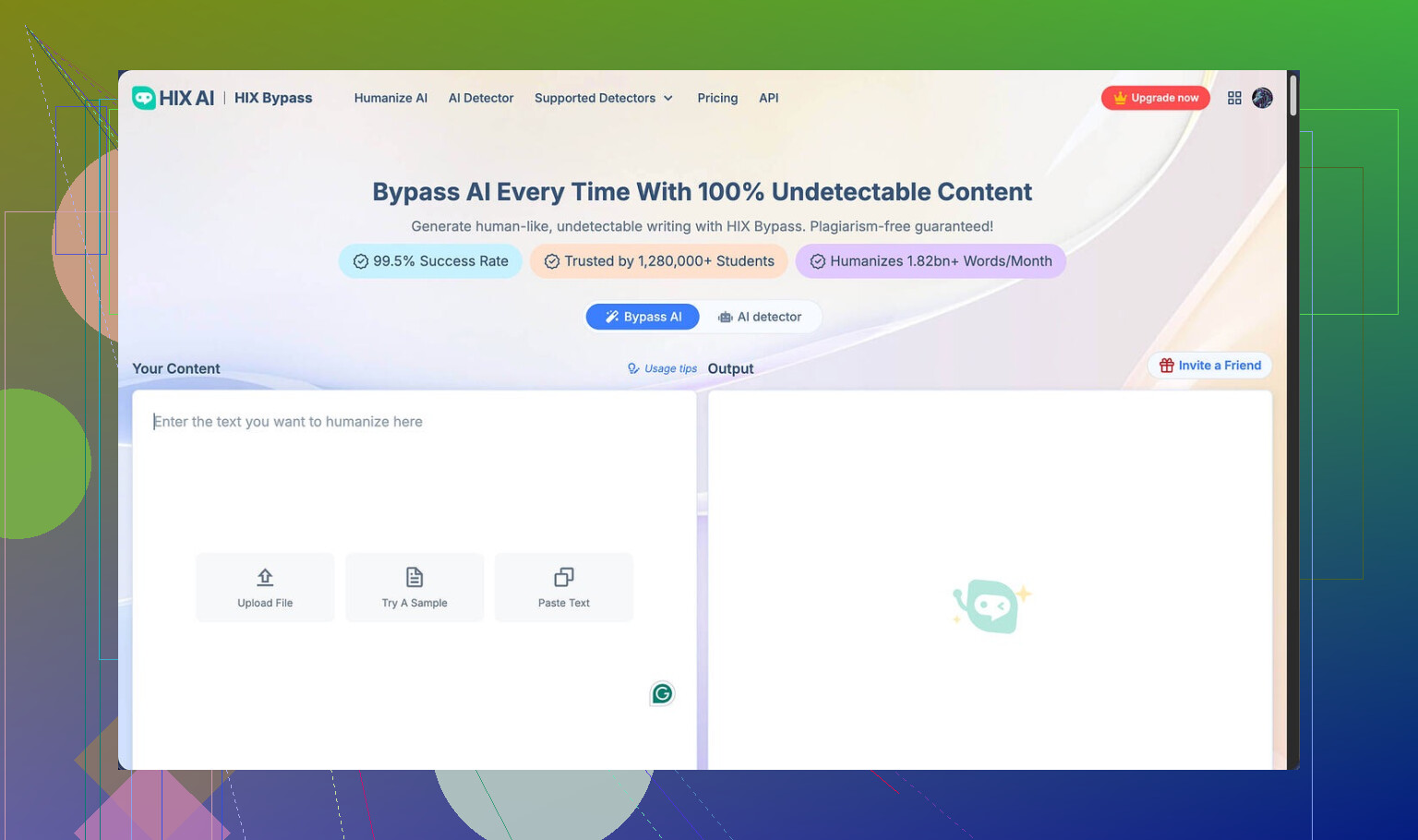
I spent some time messing with HIX Bypass after seeing their big claims and fancy logos on the front page. They throw around a “99.5% success rate” and splash names like Harvard, Columbia, and Shopify, and I got curious enough to test it instead of trusting the marketing.
Link to what I used as a reference for stats and screenshots:
https://cleverhumanizer.ai/community/t/hix-bypass-review-with-ai-detection-proof/37
Detection test results
Here is what I did:
- Took standard AI text from GPT
- Ran it through HIX Bypass
- Checked the output with:
• ZeroGPT
• GPTZero
• The built in detector page on HIX
Results:
• ZeroGPT
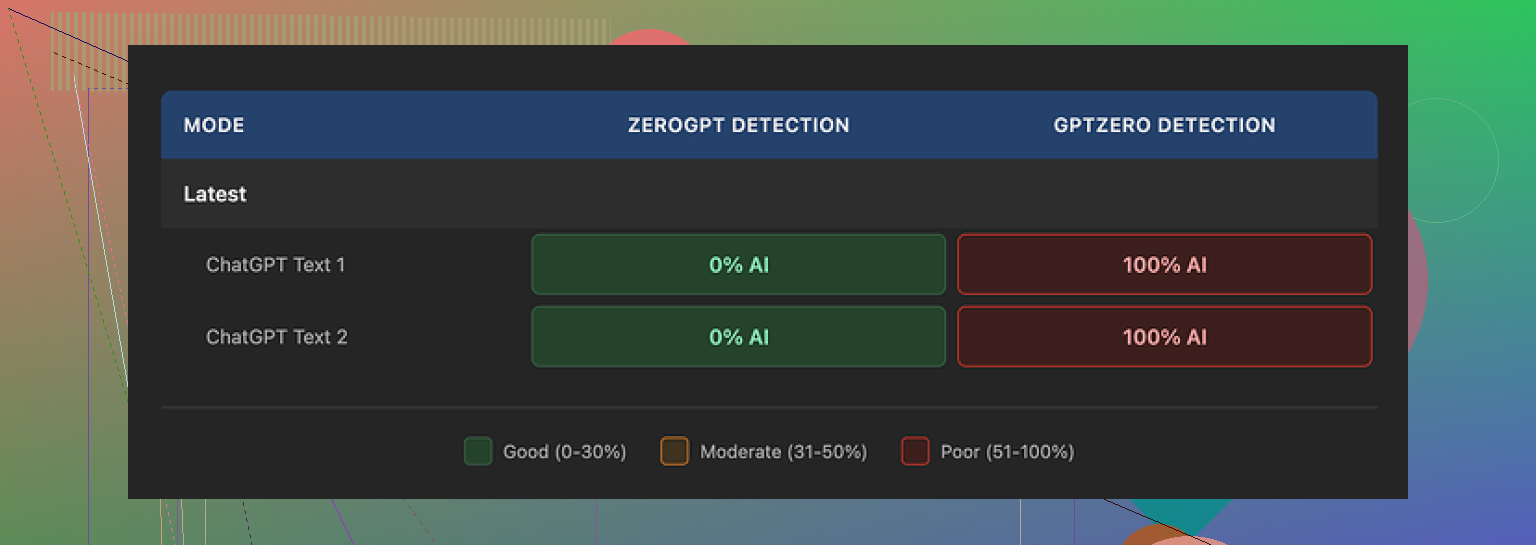
Both samples from HIX Bypass went through ZeroGPT as “human” with no drama. Looked clean according to that detector.
• GPTZero
Exact same samples, GPTZero called them 100 percent AI generated. No gray area, it was hard flagged.
• HIX built in detector
Their own multi detector page showed “Human written” across most tools it aggregates. On screen, it looked safe. In practice, GPTZero disagreed completely.
So if you plan to hand this stuff to a system that uses GPTZero or anything similar, I would not trust the reassuring green labels from HIX alone.
Writing quality and weird artifacts
Detection aside, the writing quality did not feel good.
Here is what I kept seeing in the outputs:
• Repeated em dashes all over the place, which is ironic for something trying to look less like a model
• One sentence came out broken in the middle, like the generator forgot how it started
• Another sample wrapped an entire sentence in square brackets for no reason, like:
[This is what it did.]
That sort of thing looks wrong in normal writing and stands out fast
If I had to put a number on it, I would say 4 out of 10 for readability. You would still need to go line by line and clean it up manually if you care about tone or clarity. So it saves less time than it promises.
Limits, pricing, and refund trap
This part annoyed me more than the writing.
Free tier
• Only 125 words total per account
• You burn through that in a single paragraph if you test seriously
• Free inputs can be used for training their models, according to their terms
So if you care about privacy or client work, that alone is a red flag.
Paid plans and refund terms
On the surface, pricing looks fine. The “Unlimited” annual plan sits at about 12 dollars per year, which sounds cheap.
Then I read the details:
• Refund window is 3 days
• To stay eligible for a refund, your usage must stay under 1,500 words in that period
• If you run a handful of tests to be sure it works with your content, you are already close to that cap
So you either barely test it and keep your refund option, or test it properly and lose that option. I hit the word count faster than expected while running side by side checks with other detectors.
Terms of service
Two more things worth noting from the terms:
• They reserve the right to change usage limits after you pay
• They grant themselves broad rights over submitted content
So “Unlimited” is more of a label than a promise, and your inputs are not treated as strictly yours.
Comparison with Clever AI Humanizer
After HIX, I went back and reran the same base texts through Clever AI Humanizer to see if my expectations were off.
Same workflow:
• Take raw GPT output
• Run through Clever AI Humanizer
• Check with the same detectors
My results:
• The rewrites read closer to what I would write by hand
• Fewer strange punctuation patterns
• Detectors gave better scores overall, especially on GPTZero
• No paywall for the amount of testing I needed
If you only care about passing detection and having something that does not need heavy editing, I had more luck with Clever AI Humanizer than HIX Bypass, and I did not pay anything to test it properly.
Who HIX Bypass might still fit
After playing with it, I see only a narrow use case:
• You rely on detectors similar to ZeroGPT, not GPTZero
• You do not mind editing each output by hand
• You accept the data and terms tradeoff
• You are on a tiny budget and plan to use it lightly
For anything higher risk, especially where GPTZero or stricter detectors are involved, I would not rely on HIX Bypass based on what I saw.
2 Likes
HIX bypass review notices confuse a lot of people, so you are not the only one stressing over it.
First, quick SEO friendly version of what you are dealing with:
“HIX Bypass Review Notice: What It Means For Your Coverage, Your Options, And Your Next Steps
Learn what a HIX bypass review notice is, how it affects your health insurance coverage options, what deadlines to watch, and how to respond so you do not lose access or pick the wrong plan.”
Now to the practical stuff.
- What “HIX bypass review” usually means
HIX usually refers to Health Insurance Exchange. A bypass review notice often means your file got pulled out of the normal automated process for extra checking.
Common triggers:
• Income does not match IRS or employer data
• Citizenship or immigration status needs proof
• Someone reported a change for you
• System flagged possible duplicate coverage, like job plan vs marketplace plan
The notice feels scary, but it often means “we need more info” rather than “you are losing everything tomorrow”.
- How it affects your coverage options
Depends on what the notice says. Look for these pieces:
• Current coverage status
- Sometimes your coverage stays active while they review.
- Sometimes they give you a future date when coverage or subsidies end if you do not respond.
• Financial help (subsidies)
- If they cannot verify your income, they often plan to remove your tax credits or cost sharing help.
- You might keep a plan but pay the full premium if you do nothing.
• Eligibility changes
- If they think you should be on Medicaid, CHIP, or employer coverage instead, your marketplace options can shrink.
So read the “effective date” lines twice. That is where the real impact hides.
- What you should do next
Do this in order, so you do not waste time.
Step 1. Read the notice line by line
Circle or underline:
• What they say they need
• Deadline dates
• Any mention of “loss of APTC” or “loss of coverage”
• Where to upload or mail documents
Step 2. Log into your marketplace account
Federal site is HealthCare.gov, some states have their own portals.
Check:
• Alerts or messages that match the letter
• Document upload section
• Your current plan and premium with and without tax credits
Step 3. Gather documents they ask for
Common ones:
• Income
- Pay stubs, usually last 4 weeks
- Most recent tax return
- Employer letter with hours and pay
• Citizenship or immigration
- Passport
- Naturalization certificate
- Green card
- Work permit
• Identity
- Driver’s license
- State ID
Scan or take clear photos. Make sure names and dates are readable. Blurry uploads cause delays.
Step 4. Upload or send them before the deadline
Use the portal upload if offered. Keep screenshots or photos of:
• What you uploaded
• Date and time
If they only list mail or fax, send copies, not originals. Use tracking if you can afford it.
Step 5. Call and confirm
Call the marketplace number on the notice.
Ask:
• Did you receive my documents
• Does anything else still show as “outstanding”
• Will my coverage or tax credits stay the same while you review
Write down date, time, and what the rep said. It helps if something gets messed up later.
- How to avoid losing access or picking the wrong plan
To avoid losing access:
• Respond before the deadline printed in the notice, not when you “think” it is
• If you are waiting on a document, upload what you have now and add a note if the system allows
To avoid the wrong choice:
• If they tell you your tax credits will drop, check the new premium and out of pocket costs before you accept anything
• If employer coverage gets involved, ask HR for a “summary of benefits and coverage” and the lowest cost self only plan. That matters a lot for subsidy rules.
- What I slightly disagree with from @mikeappsreviewer
They focused a lot on HIX Bypass as an AI humanizer tool and on detection tests. You are dealing with a review notice tied to coverage options. Different kind of stress.
On the AI side though, one place I agree is not trusting one detector. For written responses to marketplaces, insurers, or formal appeals, you want text that reads clean and human to actual humans, not detectors.
If you ever decide to draft appeal letters or explanations for your marketplace case with AI help, I would avoid anything that breaks sentences, throws odd brackets, or repeats strange punctuation. Tools that do that might trip an internal filter or, worse, confuse the reviewer.
For that reason, something like Clever AI Humanizer is more useful. You feed in a raw AI draft, then use it to make the text smoother and closer to how you talk. You still need to check facts and personal details yourself. If you want to make your letters or explanations sound more natural, take a look at improving human-like text quality and then edit the result so it matches your situation.
- When to get live help
You should talk to a real assister if:
• Your income is close to Medicaid limits and you are not sure which side you land on
• The notice mentions “possible termination” and you do not understand why
• English is not your first language or the letter feels too technical
Look for:
• Local “health insurance navigator” programs
• Community clinics that help with marketplace forms
• State marketplace help numbers
Most of these services are free.
- Quick checklist
• Read the notice again, mark deadlines
• Log in to your marketplace account, check alerts
• Gather proof they list in the letter
• Upload or mail copies before the deadline
• Call to confirm they got everything
• Recheck your plan and subsidy amounts after the review finishes
If you share the exact phrases or sections from the notice, people here can walk through line by line and help translate the legal talk into normal steps.
Short version: the “HIX bypass review” notice is basically the system saying “something about your eligibility doesn’t line up, we want a human to check it.” It can affect your subsidies and maybe your plan, but it usually does not mean instant cut off unless there are hard deadlines listed.
A few things I see people mix up a lot (and where I slightly disagree with parts of what @mikeappsreviewer and @voyageurdubois focused on):
-
HIX = Health Insurance Exchange
It is not about “bypassing” some AI system like HIX Bypass the tool. It is the marketplace / exchange flagging your case so staff can review instead of the usual automated approval. The name is terrible, I know. -
What that actually means for you
There are three main risks in that letter:
- Losing APTC (premium tax credits)
- Losing cost sharing reductions (the lower copays / deductibles for silver plans)
- Plan termination or being told you “should” be on Medicaid, CHIP, or an employer plan
Most of the time the marketplace will first remove or adjust subsidies before they totally cancel coverage. So the bigger near term worry is “my premium suddenly doubles” rather than “I wake up with zero coverage tomorrow.” The letter should spell out exactly what happens if you do nothing, with a date.
- Why your file got pulled
The system flags stuff like:
- Income different from last year’s taxes
- Employer reports offering you coverage even though you said you did not have it
- Citizenship or immigration data that did not auto verify
- Mixed signals between Medicaid and marketplace
A lot of folks panic because they assume “review” = accusations of fraud. Usually it is just data mismatch.
- Steps to avoid a bad outcome without overcomplicating it
The others already walked through the very methodical upload and call process. A couple of extra angles that help:
- Treat the deadline like a hard cutoff but respond early. The longer you wait, the fewer options you have if they mess up or ask for more.
- If you are not 100 percent sure about your annual income, write yourself a simple estimate first. Weekly pay x 52, monthly x 12, etc. The marketplace really cares about year total, not just a random pay stub.
- Double check whether they are reviewing just subsidies or your entire eligibility. That line is easy to miss and it matters a lot.
- Using AI to help with your response without making it weirder
This is where I part ways a bit with how much attention @mikeappsreviewer and @voyageurdubois gave to HIX Bypass the AI tool in the context of your problem. For something as touchy as a coverage review, your letters and explanations need to read like a real person, to an actual human reviewer, not just trick a detector.
If you are going to draft:
- a letter explaining variable income
- a short statement about why your employer plan is not affordable
- or an appeal if they deny or cut subsidies
I would avoid tools that leave weird punctuation, brackets, or broken sentences. That kind of stuff looks off in a benefits file and can confuse the person reading it.
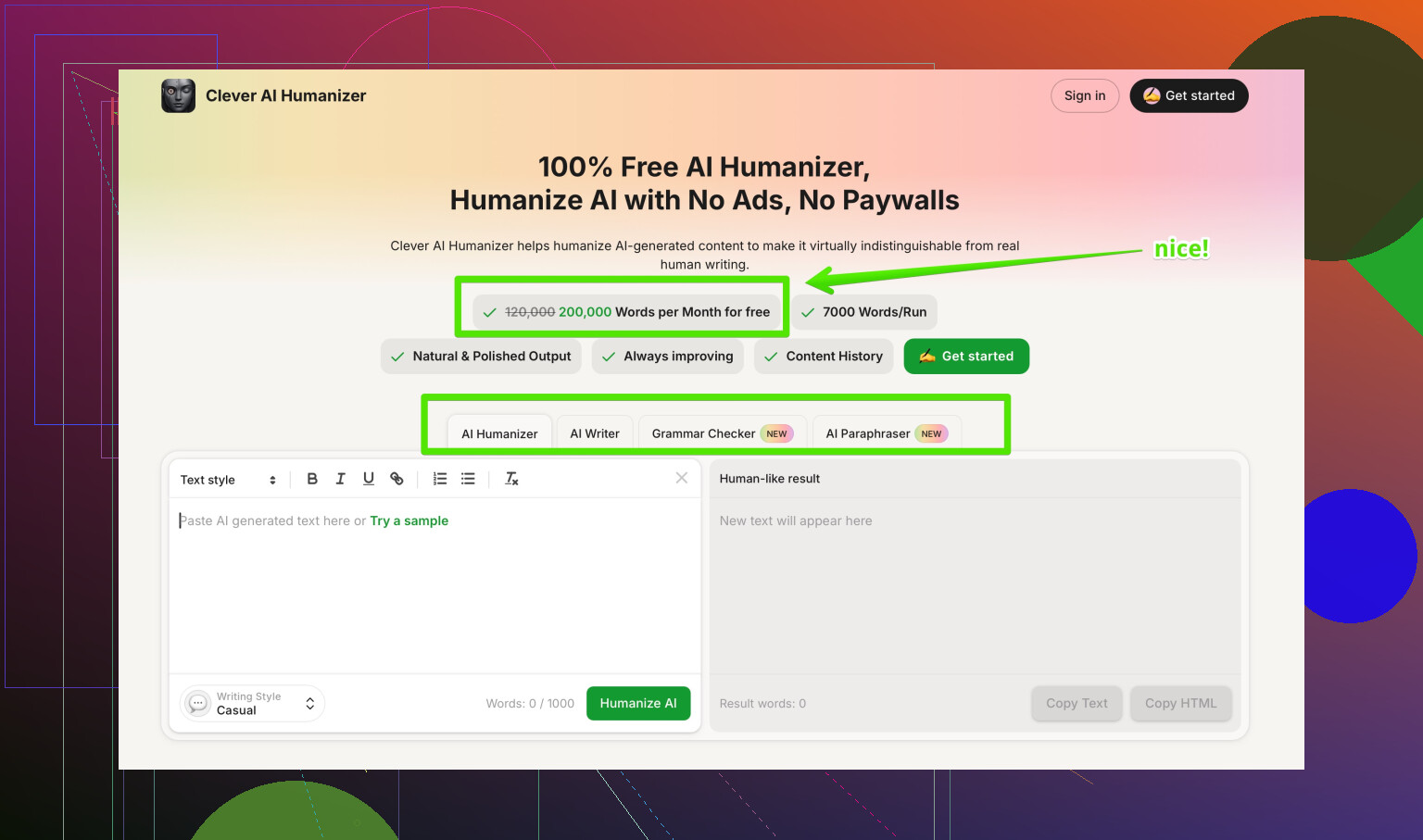
In that sense, something like Clever AI Humanizer is honestly more useful than “bypass” style tools. It takes AI-ish text and smooths it into more natural, human like writing that you can then edit to match your specific situation. You still have to make sure the numbers and details are correct, but it helps your explanation sound clear and normal instead of robotic or messy.
- Where to get a real human involved
If any of these ring true, get in touch with a navigator or assister:
- You are close to the cutoff between Medicaid and marketplace tax credits
- The notice mentions “termination” or “redetermination” and you do not fully get why
- You changed jobs, hours, or had gaps in work and are unsure how to report income
They can literally sit with you, look at the letter, and tell you what docs to upload. A 30 minute session can save weeks of stress.
- For your specific worry about “making the wrong choice”
Concrete way to think about it:
- Worst “wrong” choice: ignore the notice and lose subsidies or coverage without realizing until you need care
- Second worst: accept a plan that is suddenly unaffordable because credits were removed and you did not re check the new premium
- Better option: respond with documents, check how your premium changes, and if it jumps too high, use your special enrollment opportunity (if triggered) to switch to a cheaper plan
- Small side thing you asked for
That “Best AI Humanizer Review on Reddit” line can be made clearer for folks hunting for info. Something like
in depth user experiences with top AI humanizer tools on Reddit
is easier to read and a bit more search friendly.
If you want more specific help, you can paste the non personal parts of the notice, especially the sections around “if you do not respond by” and “your help with costs will end,” and people can translate the bureaucratic stuff into plain language steps.